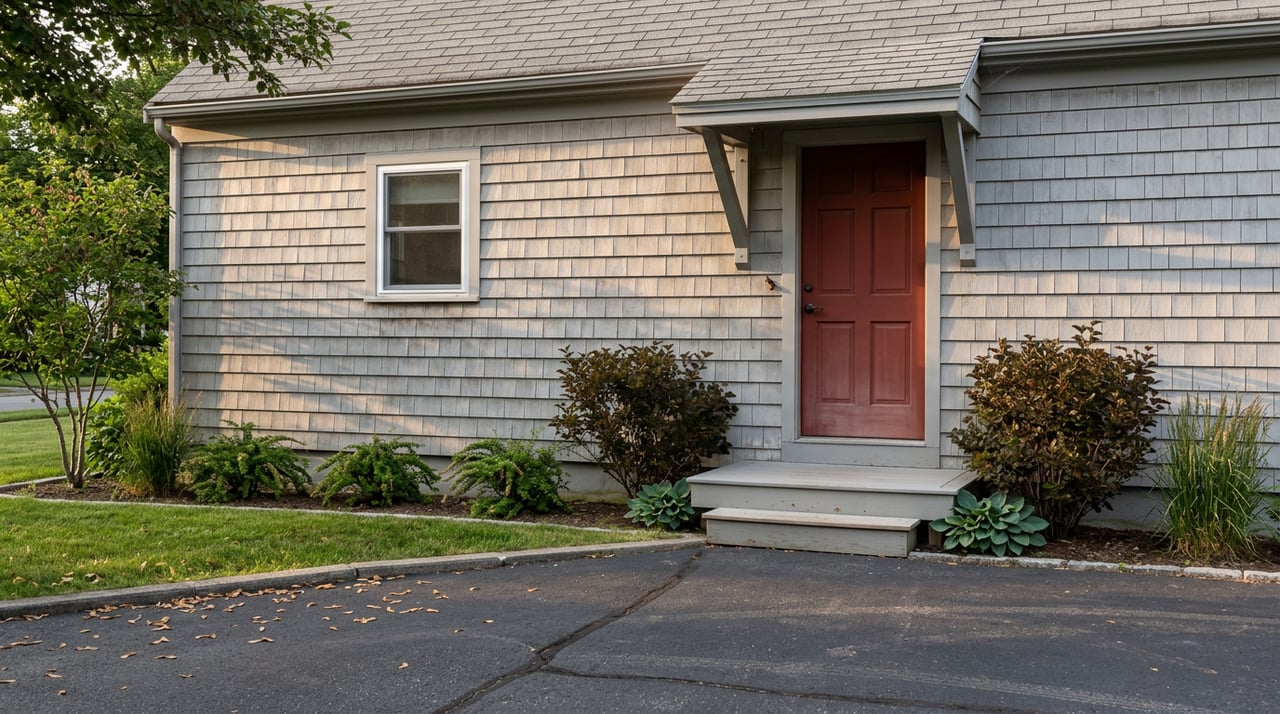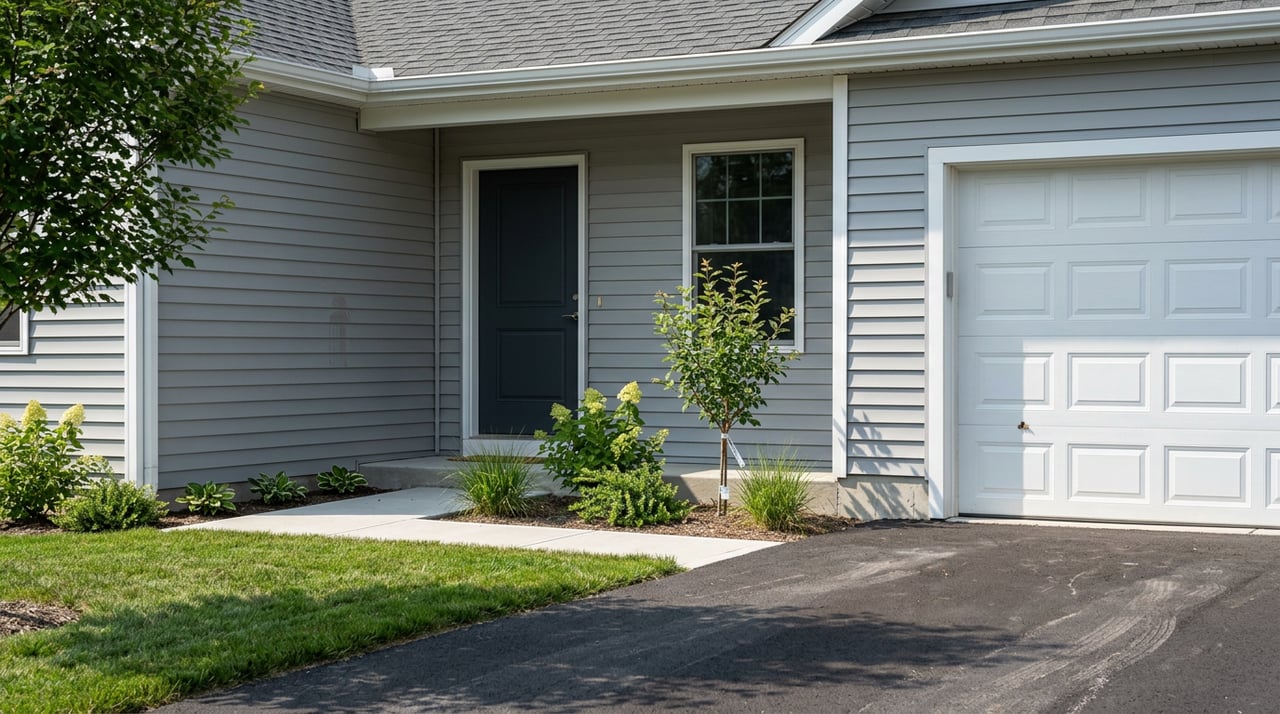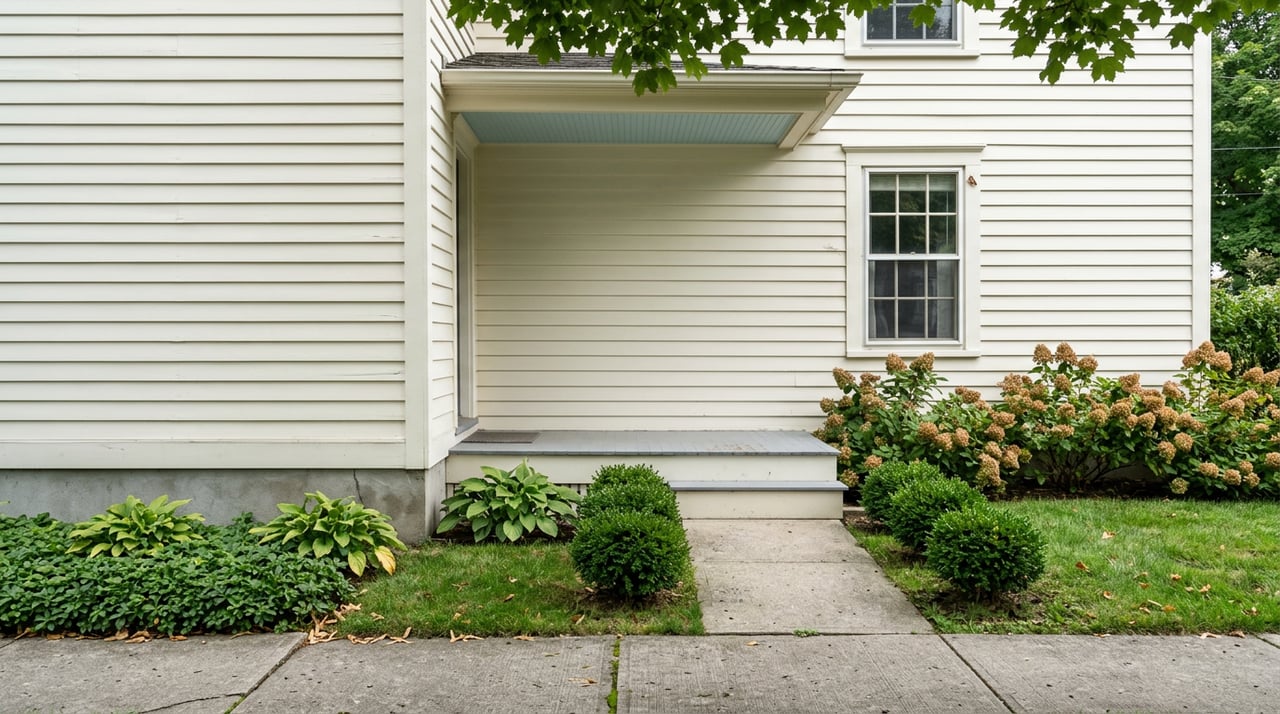
Looking for a place where you can get a little more breathing room without feeling cut off from the Capital Region? Glenville often stands out for exactly that reason. If you are comparing suburbs around Schenectady and Albany, this guide will help you understand what everyday life in Glenville really looks like, from housing and yard space to parks and daily commutes. Let’s dive in.
What Glenville Feels Like Day to Day
Glenville blends suburban convenience with a more open, unhurried feel. The town describes itself as preserving rural character while also supporting suburban neighborhoods near the town center. That mix gives you a setting that can feel practical for daily routines while still offering more space than many nearby communities.
It is also a sizable town. Census estimates put Glenville at 29,675 people across 49.25 square miles, which comes out to about 595.5 people per square mile. In simple terms, that means you are not looking at a dense, walk-everywhere environment. Instead, Glenville tends to appeal to buyers who want room to spread out and easy access to nearby job centers.
Glenville Homes and Housing Mix
If you are house hunting in Glenville, one of the first things you may notice is how much the housing stock leans toward space and ownership. Census QuickFacts shows a 76.8% owner-occupied housing rate, which supports the town’s reputation as a place where many residents put down long-term roots. The median owner-occupied home value is listed at $257,400, with a median gross rent of $1,247.
The county also points to a broad housing mix. In Glenville, that includes single-family homes, townhouses, apartment complexes, senior living apartments, and historic farmhouses. That range can be helpful if you are buying your first home, moving up for more space, or looking to downsize while staying in the area.
Why Yard Space Matters Here
Yard space is a major part of Glenville’s identity, and town planning documents explain why. In suburban residential districts, minimum lot sizes range from 15,000 to 40,000 square feet depending on sewer availability. In rural residential districts, minimum lots can range from 2 to 5 acres.
That matters in everyday life. If you want room for gardening, outdoor play, pets, or simply more separation between homes, Glenville often offers that kind of layout. It also helps explain why many buyers see Glenville as a strong fit when they want more land without moving far outside the Capital Region.
What the Housing Stock Suggests
An older American Community Survey housing profile from 2012 to 2016 found that 74.4% of housing units were single-unit detached. While that is historical context rather than the newest exact figure, it still helps paint a picture of the town’s housing character. Glenville has long leaned toward detached homes rather than dense attached housing.
For buyers, that usually means your search may include ranches, colonials, capes, and other traditional home styles common across the Capital Region. For sellers, it also means buyers coming into Glenville are often looking specifically for usable lot space, privacy, and practical layouts.
Parks Shape Everyday Routine
One of Glenville’s biggest strengths is how easy it is to build outdoor time into your normal week. The town specifically highlights parks, bike trails, rural and suburban neighborhoods, and an unhurried pace as some of its greatest assets. That is important because it suggests outdoor access is not just a bonus here. It is part of the town’s everyday rhythm.
If you like the idea of a quick walk, bike ride, or park stop without planning a full day trip, Glenville has a lot to offer. Several parks and preserves support everything from casual recreation to more active routines across the seasons.
Indian Meadows Town Park
Indian Meadows Town Park covers 197 acres and is one of the town’s best-known recreation spots. Amenities include cross-country skiing and snowshoe trails, three skating rinks, a sledding hill, tennis and basketball courts, baseball, softball, and soccer fields, plus a pavilion, playground, and restrooms.
That range matters for daily life because it gives you options year-round. In warmer months, you may use the courts, fields, or playground. In winter, the same park supports activities that make cold-weather weekends feel a little easier to enjoy.
Sanders Preserve and Indian Kill Nature Preserve
For a more natural setting, Sanders Preserve offers 398 acres with hiking, cross-country skiing, horseback riding, and permit-only hunting. Indian Kill Nature Preserve adds another 100 acres with hiking, fishing, skiing, and snowshoeing.
These preserves help Glenville feel more connected to open land than a typical suburb. If you want quick access to trails or a quieter outdoor setting, these spots add real value to day-to-day living.
Riverfront and Canal Access
Maalwyck Park brings a different kind of outdoor option. This 59-acre riverfront park offers Mohawk River access, fishing at Lock 8, and soccer fields. Lock 9 State Canal Park adds picnic tables, grills, and docks for canoes, kayaks, and rowboats.
If you enjoy being near the water, this is a meaningful part of Glenville’s appeal. It creates more variety in how you spend free time, whether that means fishing, paddling, or simply spending a relaxed afternoon outdoors.
Trails and Bike Connections
Glenville’s trail network adds another layer to daily convenience. The town says bicyclists and pedestrians can use path connections within Glenville and into neighboring municipalities. The parks and recreation resources also list assets such as the Mohawk Hudson Bike Trail, Story Trail, Sanders Trail, and Indian Meadows.
For many buyers, that translates into lifestyle value. You may still drive for most errands and work trips, but trails give you built-in options for exercise, recreation, and getting outside close to home. In a town that is otherwise road-first, that balance can be appealing.
Commuting From Glenville
When it comes to commuting, Glenville works best if you expect to drive regularly. Town planning materials say there are no freeways or expressways within the town itself, but Route 5, Route 50, Freemans Bridge Road, Route 147, and Glenridge Road carry much of the movement in and out of town. That road network plays a major role in how daily life is organized.
The same town materials note that a bridge linking Exit 26 of the Thruway and I-890 to Route 5 improved access in and out of Glenville. Access to the Northway is to the east in Clifton Park. Altogether, Glenville functions as a corridor town with reasonable connections to larger job centers.
Typical Drive Times
Glenville’s Why Glenville page estimates about 10 minutes to downtown Schenectady and about 20 minutes to Albany. Census QuickFacts lists a mean travel time to work of 24.2 minutes. Those numbers help explain why the town often appeals to people who want more house and yard space but still need a manageable weekday commute.
Of course, your actual commute will depend on what part of Glenville you choose and where you work. Still, the overall picture is clear: Glenville offers access, but it is access shaped mostly by roads rather than a highly walkable layout.
Public Transit and Rail Options
Transit is available, even though the area is still clearly car-oriented. CDTA service includes Route 905 BusPlus Red Line between downtown Schenectady and downtown Albany, Route 370 Troy/Schenectady, Route 353 Scotia-Mt. Pleasant between Glenville Walmart and Altamont Avenue, and Route 450 serving the Route 50 at Target Glenville stop between Schenectady and Wilton.
For rail travel, nearby options include Amtrak service from Schenectady and Albany-Rensselaer. The Schenectady station includes parking, restrooms, an elevator, and accessible platform access. If you travel regionally or want an occasional alternative to driving, those nearby rail connections add flexibility.
Who Glenville Often Fits Best
Glenville tends to make the most sense for buyers who want a convenience-and-space compromise. You get proximity to Schenectady and Albany, but with more room than you may find in denser settings. The town’s identity centers on parks, preserves, bike trails, and a housing pattern that gives many properties meaningful yard space.
That can be especially useful if you are comparing suburbs and trying to balance budget, commute, and lifestyle. Glenville is not the choice for a car-free routine or a highly urban feel. It is often a better fit if you value space, outdoor access, and a calmer pace while still staying connected to the region.
A Practical Note for Buyers
If you are narrowing your home search, Glenville is worth looking at block by block and property by property. The town is served by several school districts, including Scotia-Glenville, Burnt Hills-Ballston Lake, Niskayuna, Greater Amsterdam, and Galway. Because district boundaries can affect your search, it helps to confirm district details early when reviewing homes.
It is also smart to look beyond square footage alone. In Glenville, lot size, road access, park proximity, and overall layout can have a big impact on how a home feels in everyday use. A house that looks similar on paper may live very differently depending on those factors.
If you are thinking about buying or selling in Glenville, working with a local team that understands home condition, lot value, commute patterns, and neighborhood-level differences can make the process much clearer. Dufek Real Estate Group brings that kind of practical, responsive guidance to buyers and sellers across the Capital Region.
FAQs
What is everyday life like in Glenville, NY?
- Everyday life in Glenville tends to center on a mix of suburban convenience, larger lot sizes, outdoor recreation, and road-based commuting to nearby job centers like Schenectady and Albany.
What types of homes are common in Glenville, NY?
- Glenville includes single-family homes, townhouses, apartment complexes, senior living apartments, and historic farmhouses, with historical housing data showing a strong presence of detached homes.
Are parks and trails easy to access in Glenville?
- Yes. Glenville has major outdoor assets including Indian Meadows Town Park, Sanders Preserve, Indian Kill Nature Preserve, Maalwyck Park, Lock 9 State Canal Park, and trail connections such as the Mohawk Hudson Bike Trail.
Is Glenville, NY good for commuting?
- Glenville is generally practical for commuters who drive, with town estimates of about 10 minutes to downtown Schenectady and 20 minutes to Albany, plus a reported mean travel time to work of 24.2 minutes.
Does Glenville have public transportation options?
- Yes. CDTA routes serve parts of Glenville and connect to nearby areas, and Amtrak service is available from nearby Schenectady and Albany-Rensselaer stations.
Why do buyers look at Glenville when comparing Capital Region suburbs?
- Buyers often consider Glenville because it offers a balance of space, outdoor amenities, and access to Schenectady and Albany, making it a practical option for those who want more room without moving far from major employment centers.