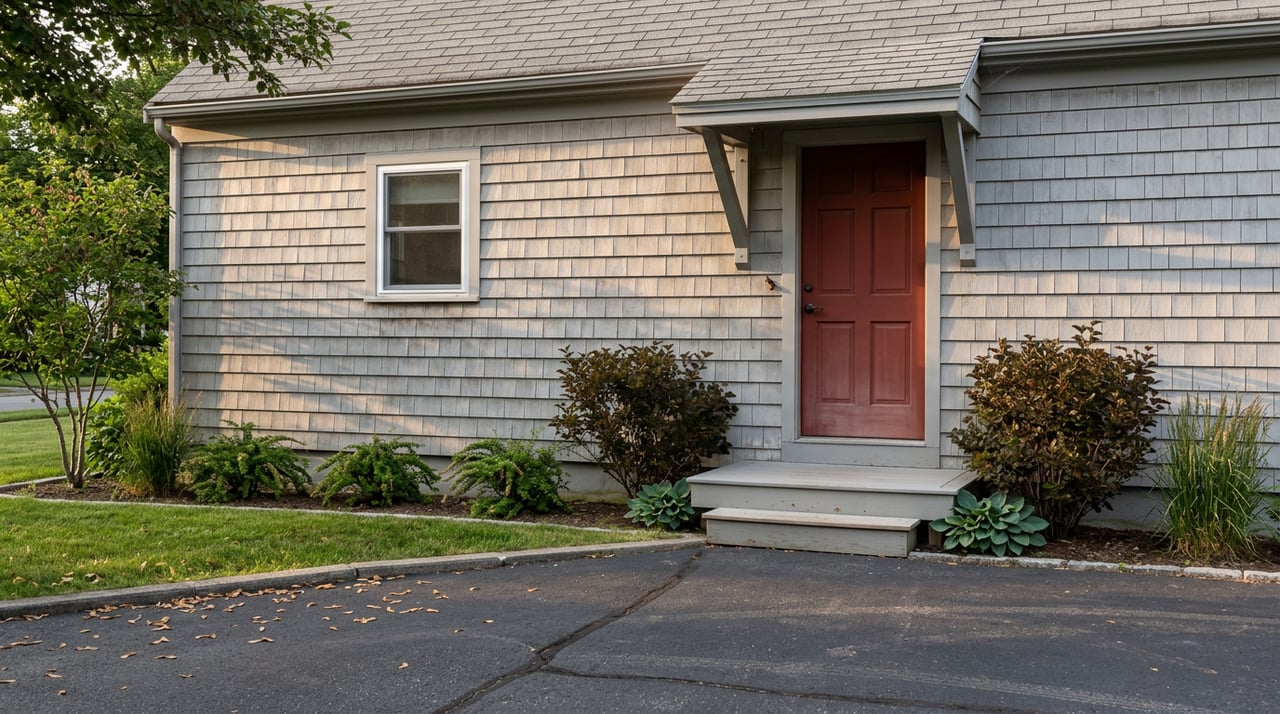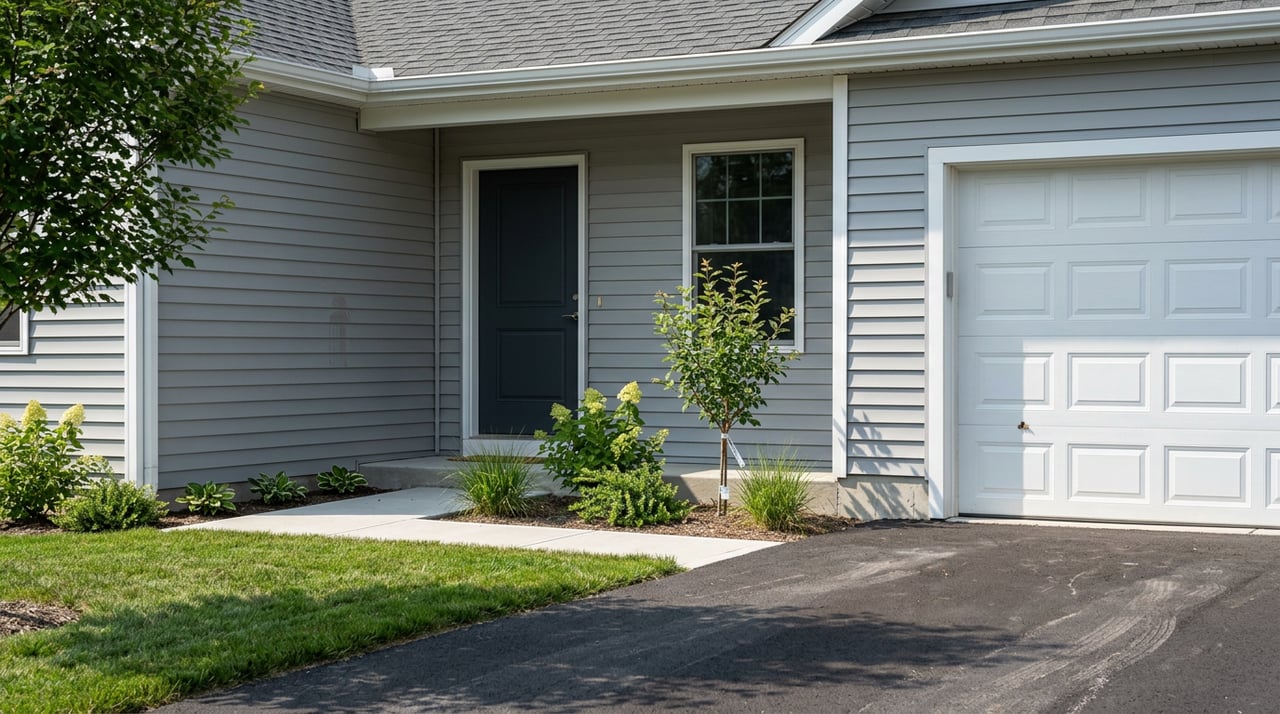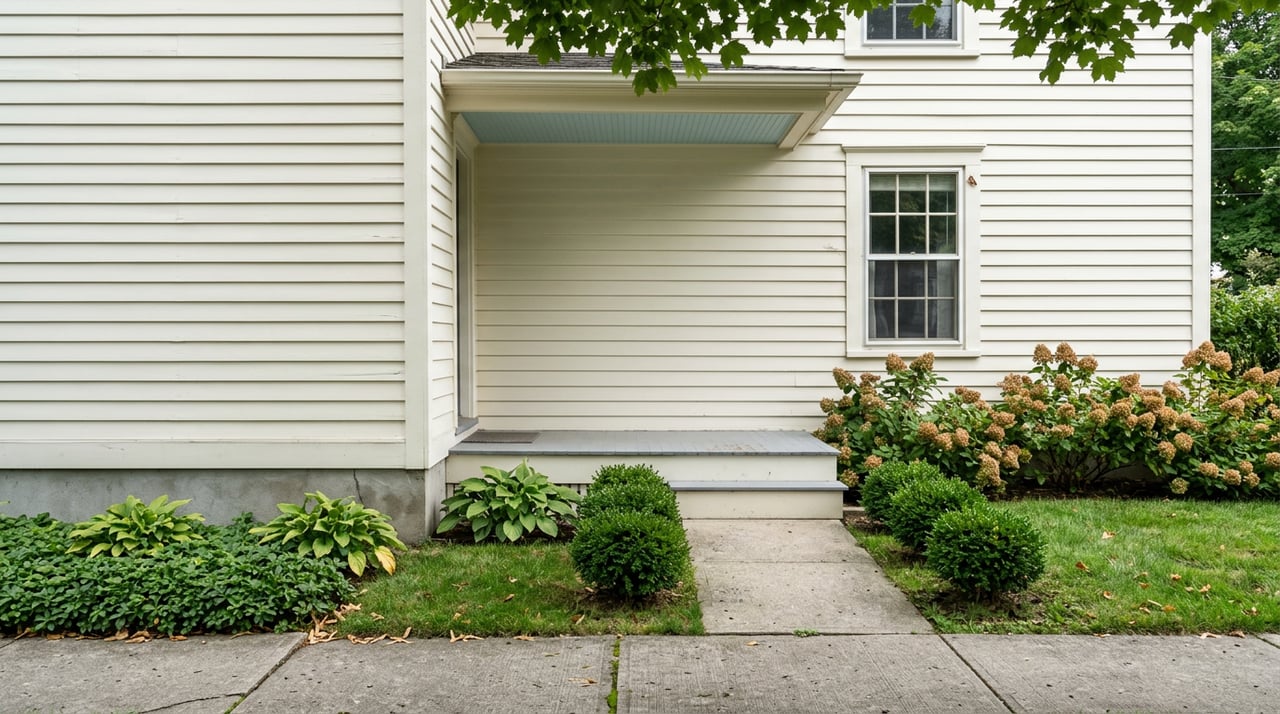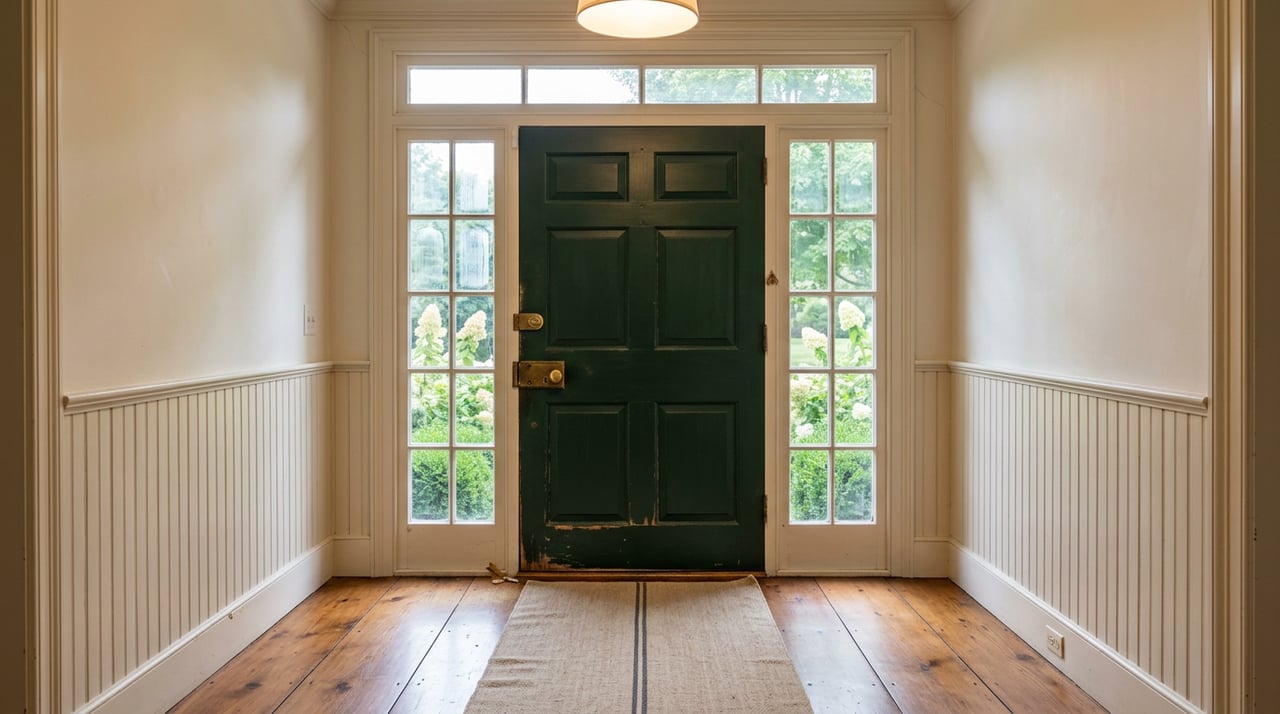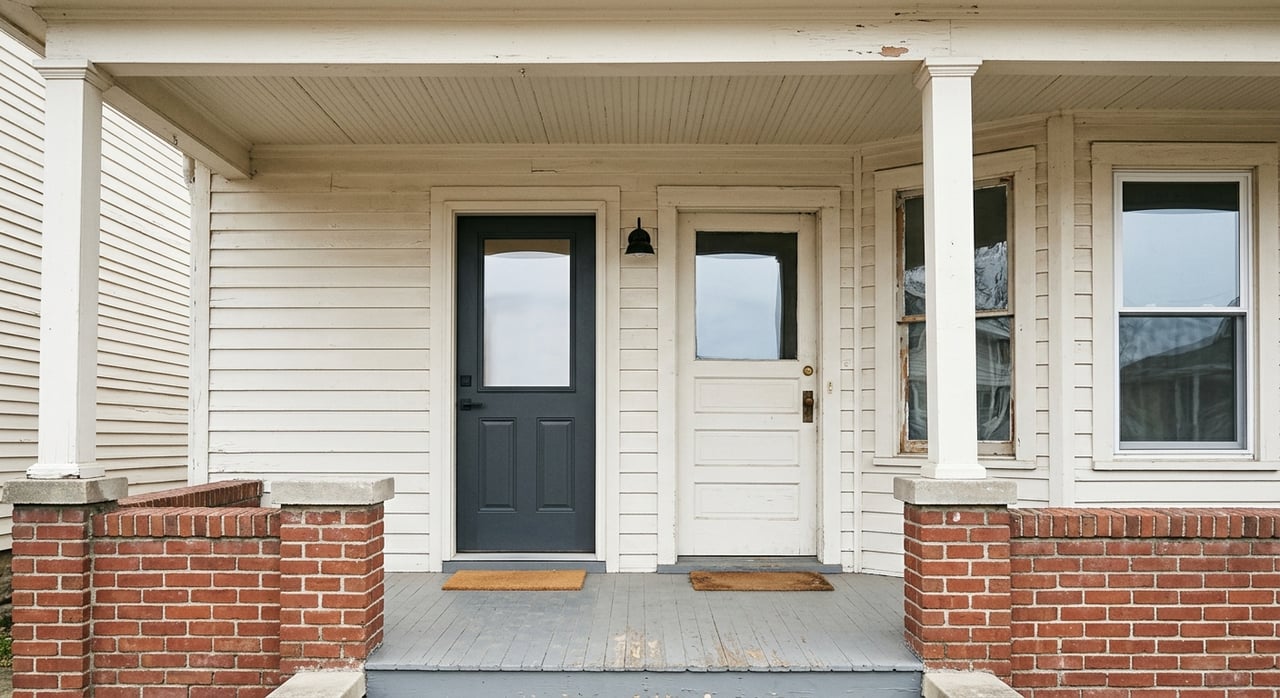
If you are looking at a fixer-upper or small multi-family in Schenectady, the biggest question is simple: does the work actually create value, or just create more risk? That can be hard to judge in a city with older housing, local rental rules, and price points that do not always reward oversized renovation budgets. The good news is that with the right screening process, you can spot the difference between a smart value-add opportunity and a money pit. Let’s dive in.
Why Schenectady needs a disciplined approach
Schenectady has an older housing stock, and that shapes nearly every value-add decision. The city’s 2025-2029 Consolidated Plan says about 70% to 75% of housing units were built before 1980, and older public profile data show 58.9% of units were built in 1939 or earlier.
That age can create opportunity, but it also raises the chance of deferred maintenance, code issues, lead-related concerns, and permit-sensitive repairs. In other words, value-add potential in Schenectady is often less about flashy upgrades and more about stabilizing function, safety, and compliance.
The local price and rent backdrop matters too. Census data for Schenectady show a median owner-occupied home value of $168,800, median gross rent of $1,145, and median household income of $58,399.
Those numbers are a useful reality check. If your renovation budget climbs too high, you may hit local resale or rent ceilings before you hit your expected return.
Start with the property basics
Before you tour a property, take time to confirm the basics at the parcel level. In Schenectady County, Beacon Online and county tax maps can help you verify ownership, parcel details, lot configuration, and assessment information.
That matters even more with older homes and small multi-family properties. A lot line issue, tax status question, or unusual parcel setup can affect what you are really buying and how much work it may take to reposition the property.
If you are comparing multiple properties, create a quick screening sheet for each one. That makes it easier to evaluate risk before you spend time pricing renovations.
Pre-tour deal screen checklist
- Confirm parcel and tax map information
- Review current assessment roll details
- Check property type and unit count
- Note lot shape, access, and outbuildings
- Flag signs of vacancy or long-term deferred maintenance
- Prepare questions about permits and past repairs
Check permits, inspections, and vacancy risk
In Schenectady, public screening should go beyond photos and square footage. The city’s Building Inspector and Code Enforcement resources include forms tied to building permits, inspections, electrical and plumbing inspections, landlord registration, and rental applications.
That means the paper trail matters. If a property looks updated but the work history is unclear, you should treat that as a due diligence issue, not a minor detail.
Vacancy can also change the risk profile quickly. The city requires vacant-property registration and continued maintenance if a property has been vacant for more than 30 days.
The city also conducts neighborhood code compliance reviews and posts courtesy notices for observed violations. For a buyer, that makes visible neglect more than a cosmetic problem. It can signal extra time, extra cost, and extra follow-up after closing.
Know the line between cosmetic and major work
One of the most useful local tools for evaluating value-add potential is Schenectady’s Certificate of Ordinary and Reasonable Repairs. It helps define what counts as limited repair work versus what moves into permit-required territory.
According to the city, limited work on items like certain roof, siding, porch or deck boarding, wall, and stair-tread repairs may not require a building permit. But once the work goes beyond those limits, permits and inspections are required.
This is where many value-add deals change character. A property that looks like it needs “just a little work” can stop being a light rehab once the scope includes broader roof work, major siding replacement, porch or stair reconstruction, or larger wall repairs.
Why this matters to your budget
When the job crosses into major work, you need to budget for more than materials and labor. You also need to account for:
- Permit timing
- Inspection scheduling
- Re-inspection risk
- Larger contingency reserves
- Potential delays before occupancy or resale
That is often the point where a deal either still makes sense, or stops penciling out.
Watch for lead-related scope creep
In Schenectady, lead safety is part of value-add analysis, especially in older homes. Schenectady County notes that most homes in the city were built before 1978 and many contain lead paint.
For renovation work that disturbs painted surfaces in pre-1978 homes, lead-safe rules can become a real cost and timeline factor. The county also states that landlords must disclose known lead hazards to tenants, and jobs disturbing 6 square feet or more of painted surface require EPA-certified lead-safe work.
This is important for investors, house-hackers, and anyone planning updates before resale. A project that seems cosmetic on day one can become more complicated if surface prep, trim replacement, window work, or wall repair starts disturbing older painted materials.
Focus on improvements that fit the local market
In Schenectady, value is often created through practical upgrades, not luxury repositioning. With local home values and rents at moderate levels, the strongest return often comes from making a property easier to finance, easier to occupy, and easier to maintain.
That usually means buyers should focus on repairs and upgrades that support everyday function. In a market with a meaningful share of two-bedroom and three-bedroom units, layout usability and condition can matter more than expensive finishes.
Updates that tend to support value
- Exterior repairs that improve code compliance and curb appeal
- Functional kitchens and baths in clean, serviceable condition
- Safe stairs, porches, and entry points
- Solid roofing and siding within a documented repair scope
- Clean, rentable units that are inspection-ready
- Layout improvements that make bedrooms and living space more practical
Updates to evaluate carefully
- High-end finishes that may exceed neighborhood price expectations
- Full cosmetic overhauls without fixing core condition issues first
- Large projects with unclear permit history
- Work on older painted surfaces that may expand lead-safe requirements
Understand the rental timeline before you buy
If the plan is to hold the property as a rental, the return is not just about purchase price and rehab costs. In Schenectady, process and timing matter too.
The city requires landlord registration for properties rented to tenants that are not single-family dwellings or owner-occupied two-family structures. It also requires a rental inspection and rental certificate before renting an apartment.
There is another timing issue many buyers miss. The rental certificate must be renewed when a tenant moves out and a new tenant moves in, and if no tenant is placed within 30 days of inspection, a new inspection is required.
That means your actual timeline may look more like this:
- Close on the property
- Complete repairs
- Register if required
- Schedule inspection
- Correct any violations
- Receive rental certificate
- Place tenant within the allowed timing window
For small investors, that process can affect carrying costs as much as the renovation itself.
Look for properties that match Schenectady’s housing mix
Schenectady’s housing stock supports a practical value-add strategy. Historical ACS-based city data show a mix that includes 37.9% one-unit detached homes, 32.9% two-unit properties, and 10.3% three- or four-unit buildings.
That creates options for both owner-occupants and smaller investors. If you are considering a house-hack or a modest multi-family investment, the opportunity may be strongest in properties where the layout already works and the main challenge is deferred maintenance, not full reconfiguration.
In many cases, a solid duplex or triplex with manageable repairs may offer a more predictable path than a heavily distressed property with unclear code, permit, or lead-related exposure. The goal is not to avoid work entirely. The goal is to avoid the kind of work that breaks your timeline and budget.
A simple framework for evaluating value-add potential
When you walk through a Schenectady property, try to sort the opportunity into three buckets.
Bucket 1: Light value-add
These properties usually need cosmetic cleanup, limited repairs, and practical updates. The layout works, the exterior is generally stable, and there are no obvious signs the project will cross into major permit-heavy work.
Bucket 2: Moderate value-add
These properties may still make sense, but only with tighter budgeting and better documentation. You may be dealing with some vacancy history, aging systems, more visible exterior repairs, or a rental timeline that adds friction.
Bucket 3: Heavy value-add
These properties often involve broader structural or exterior reconstruction, more permit exposure, more inspection risk, and greater lead-related complexity. They can still be viable, but only if the numbers leave room for delays, compliance costs, and surprises.
Final thoughts on buying for upside in Schenectady
The best value-add deals in Schenectady are often not the flashiest ones. They are the properties where you can clearly define the work, verify the paper trail, stay realistic about local pricing, and improve the home in ways that fit the market.
If you want help weighing repair scope, resale potential, or whether a Schenectady property makes sense as a home, house-hack, or small investment, Dufek Real Estate Group can help you sort through the details with clear, practical guidance.
FAQs
What makes a Schenectady property a good value-add opportunity?
- A strong value-add opportunity in Schenectady usually has a functional layout, manageable repair scope, realistic costs, and improvements that fit local resale or rental limits.
How can you research a Schenectady property before touring it?
- You can start with Schenectady County parcel data, tax maps, and assessment information, then review city resources related to permits, inspections, rental registration, and vacancy-related requirements.
When does a Schenectady rehab move beyond cosmetic work?
- A rehab typically moves beyond cosmetic territory when the scope expands into broader roof work, major siding replacement, porch or stair reconstruction, larger wall repairs, or other permit-required work.
What should rental property buyers know about Schenectady inspections?
- Rental property buyers should know that certain rentals require landlord registration, a rental inspection, and a rental certificate before occupancy, with added timing rules when tenants change.
Why does lead safety matter when renovating older Schenectady homes?
- Lead safety matters because many Schenectady homes were built before 1978, and disturbing painted surfaces can trigger lead-safe work requirements, added disclosures, and extra project costs or delays.