Which is it: did Scotia home values jump more than 20 percent last year, or did they fall by nearly a third? In the spring of 2026, two widely used data sources answered that question in opposite directions within weeks of each other, both pulling from the same underlying pool of Scotia sales.
That is not a typo on either site. It is what happens when a village this small gets measured by tools built for cities.
Same Village, Different Diagnoses
In March 2026, one tracking service put Scotia's median sale price at $275,000, up 20.6 percent from a year earlier. Around the same window, another site's February 2026 snapshot showed the trailing twelve month median sale price for single-family homes at $205,000, down 30 percent from the previous twelve months. By May 2026, a third source had the active-listing median at $267,000, essentially flat and down 2 percent from both the prior month and the prior year.
Three numbers, three trend lines, one village of roughly 7,260 people. The gap isn't sloppy math. Each figure is measuring a different slice: list price versus sold price, current snapshot versus trailing year, all home types versus single-family only. In a market where a "handful" of houses might be on the market at any given moment, swapping which sales get counted swings the median hard enough to flip the story from boom to correction and back.
That intimacy is part of the village's character, not just a statistical inconvenience. Scotia keeps close to its mom-and-pop roots, with only a couple of national chains in town and most of the storefronts, including a longtime comfort-food fixture like Mohawk Taproom & Grill, locally owned. The same small scale that gives the village its personality is what makes any single median price nearly impossible to trust on its own.
Three Price Tiers Living Under One Median
The more useful way to read Scotia isn't one number, it's three, because the housing stock itself splits into distinct eras that don't compete with each other for the same buyer.
| Housing type | Typical price band | What it tells a buyer |
|---|---|---|
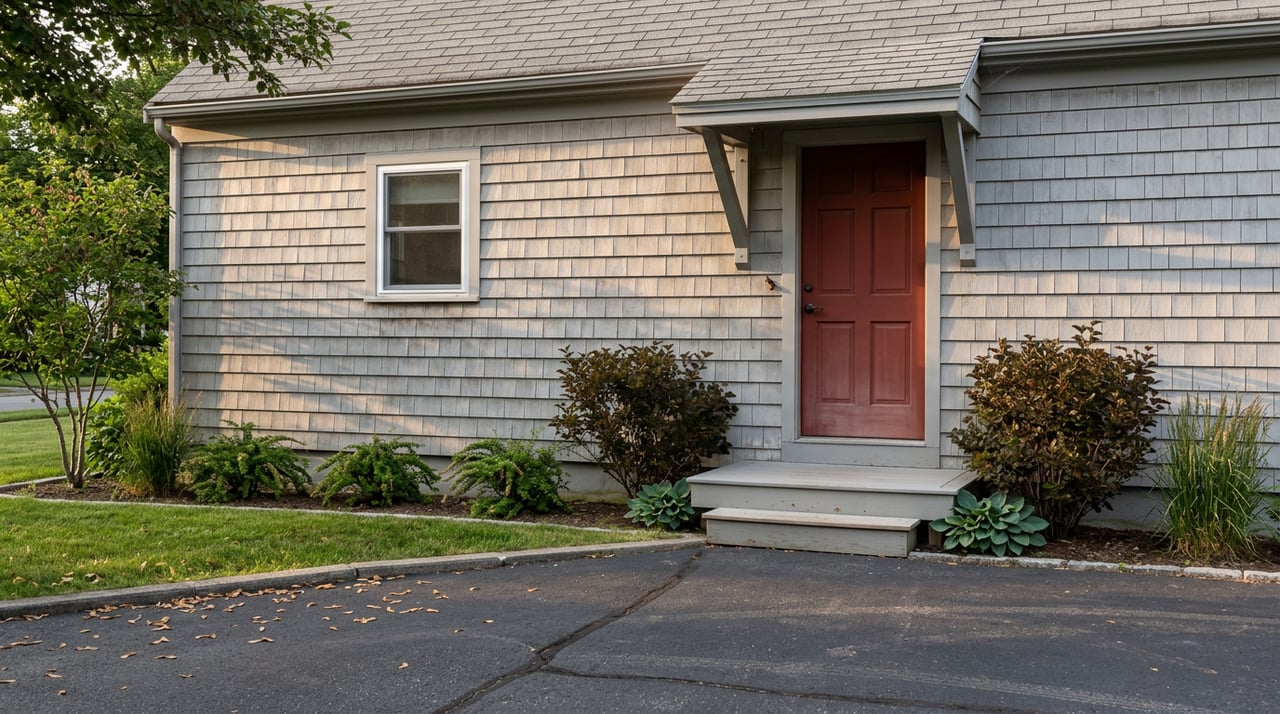
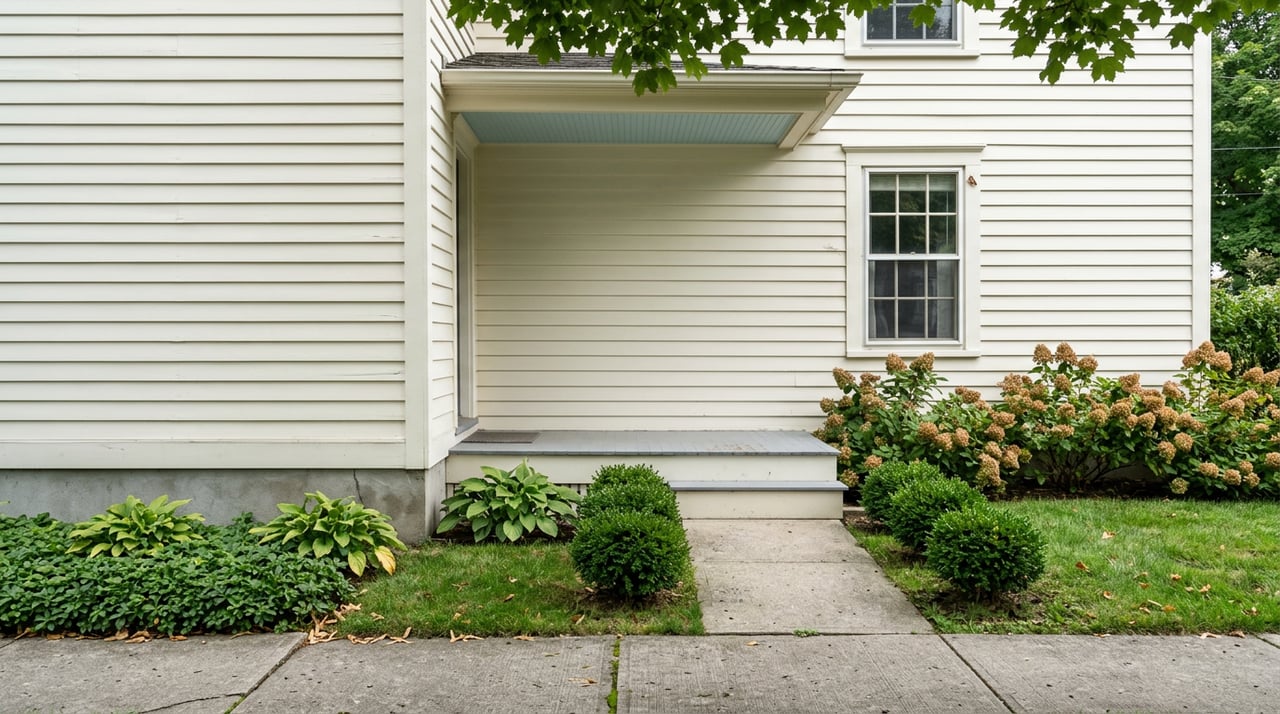
| Four-square bungalows and Cape Cods | roughly $150,000 to $270,000 | Village's original walkable stock, smaller footprints, often the entry point for first-time buyers |
| Ranches and colonials | roughly $310,000 to $530,000 | The move-up tier, larger lots and layouts, where most of the "family" buying happens |
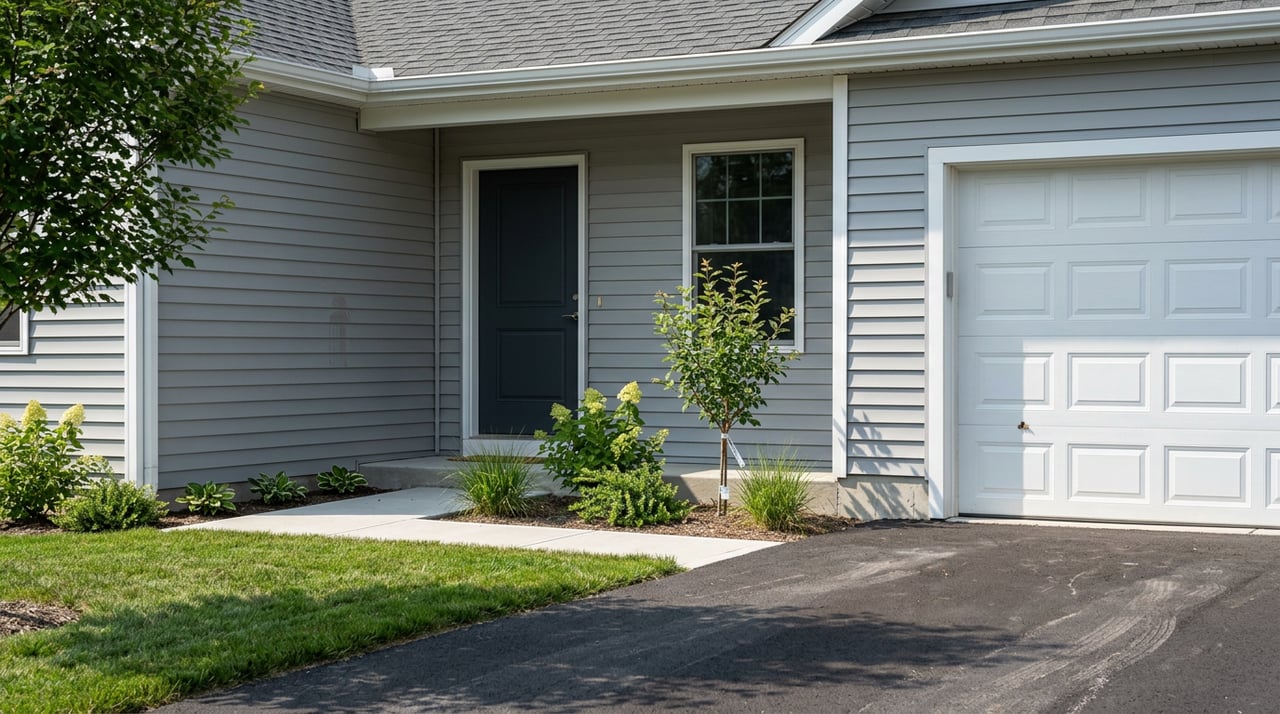
| New construction (Livingston Avenue) | around $489,000 and up | A brand new category the village hasn't had in decades, pulling the ceiling higher |
A median calculated across all three tiers tells you almost nothing about what a specific buyer will pay, because it depends entirely on which tier happened to sell that month. A single bungalow closing next to two colonials will drag the number one direction. A month with no bungalow sales at all will drag it the other way.
The Subdivision That's Quietly Moving the Ceiling
The clearest example of how fast that median can shift is sitting on Livingston Avenue right now. Six to-be-built contemporary homes, addressed 2 through 12 Livingston Avenue, hit the local MLS this spring and summer as an intentional small subdivision rather than infill on scattered lots.
Each home offers about 2,600 square feet of living space plus a 400 square foot heated garage, with options for electric vehicle charging and a lower-level flex space marketed for a home office, studio, or in-law use. One of the six, at 12 Livingston Avenue, is priced at $489,000. That single number sits above almost every ranch and colonial the village has historically produced, and well above anything in the bungalow tier.
Six homes is a small number in absolute terms. In a village where inventory runs painfully thin at every price point, six new-construction closings landing in the same twelve month window is large enough to bend the median noticeably, especially in a data set already thin enough to be moved by a handful of sales. Anyone comparing this year's Scotia numbers to last year's should expect the Livingston Avenue closings to show up as an upward pull that has nothing to do with what existing homes are actually worth.
The Days-on-Market Gap Nobody's Highlighting
Price isn't the only place the story splits. Speed to contract tells a sharper version of the same tale.
In May 2026, single-family listings in Scotia carried a median of just 10 days on market, a 23 percent drop from a year earlier. That is fast even by Capital Region standards, and it lines up with the broader picture of inventory sitting at a genuine low across every price band.
Multi-family listings behaved nothing like that. Over the trailing twelve months tracked by that same data set, the village's small pool of multi-family sales carried a median of 175 days on market, more than triple the national average pace and worlds slower than what single-family buyers were experiencing by May 2026. Investors and owner-occupant buyers of duplexes and two-families in Scotia are working through renovation scope, tenant situations, and financing complexity that a single-family buyer simply doesn't face, and the timeline reflects it.
That gap matters more than the price gap. A seller with a single-family bungalow can reasonably expect a fast process right now. A seller with a two-family should plan for a much longer runway and price accordingly, because the buyer pool for that property type is smaller, slower, and more selective.
What to Ask Before You Compare Scotia to Anywhere Else
If a portal or a friend quotes you a Scotia number, it's worth asking three things before treating it as useful:
- Is this a list price or a closed sale price? They move differently, especially in a fast market.
- Is this a snapshot of current listings or a trailing twelve month average? A subdivision closing mid-year can distort the second one for months.
- Does this figure blend single-family, condo, and multi-family sales, or is it isolated to one type? Scotia's tiers don't behave the same way, and a blended number hides all of that.
FAQ
Why do different real estate sites report such different Scotia prices? Because they're measuring different things. Some track active list prices, others track closed sales over a trailing year, and some blend every property type into one figure. In a village with a small number of monthly transactions, those methodology differences produce numbers that can point in opposite directions within the same season.
Does the new construction on Livingston Avenue mean Scotia is permanently more expensive now? It means the village has a new upper tier it didn't have before. Whether that pulls the broader median up depends on how many of those six homes close in any given reporting window and how that compares to bungalow and colonial sales in the same period. It's a shift in the mix, not necessarily a shift in what an existing bungalow or colonial is worth.
If you're trying to figure out where your specific Scotia property fits inside these three tiers, or what the current pace looks like for your particular home type, that's a conversation worth having before you rely on any single number. Dufek Real Estate Group offers a free home valuation that accounts for which tier your home actually competes in, not a village-wide average that blends bungalows with brand new construction.