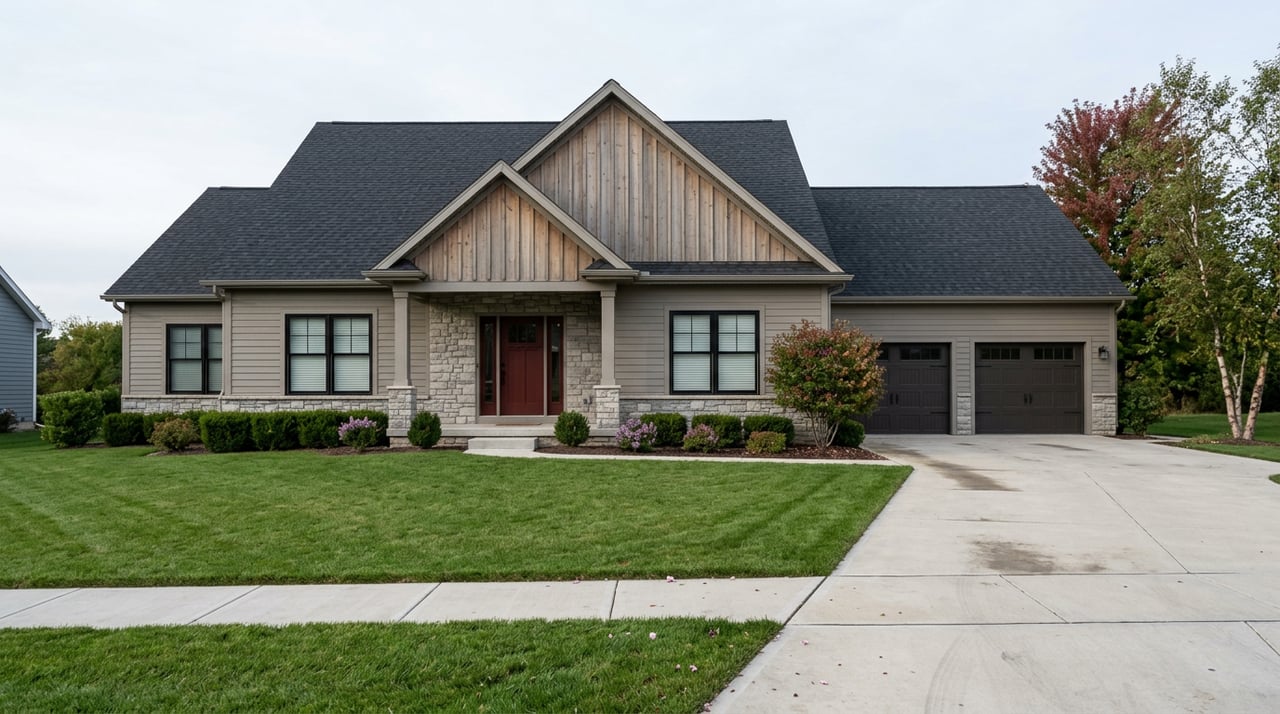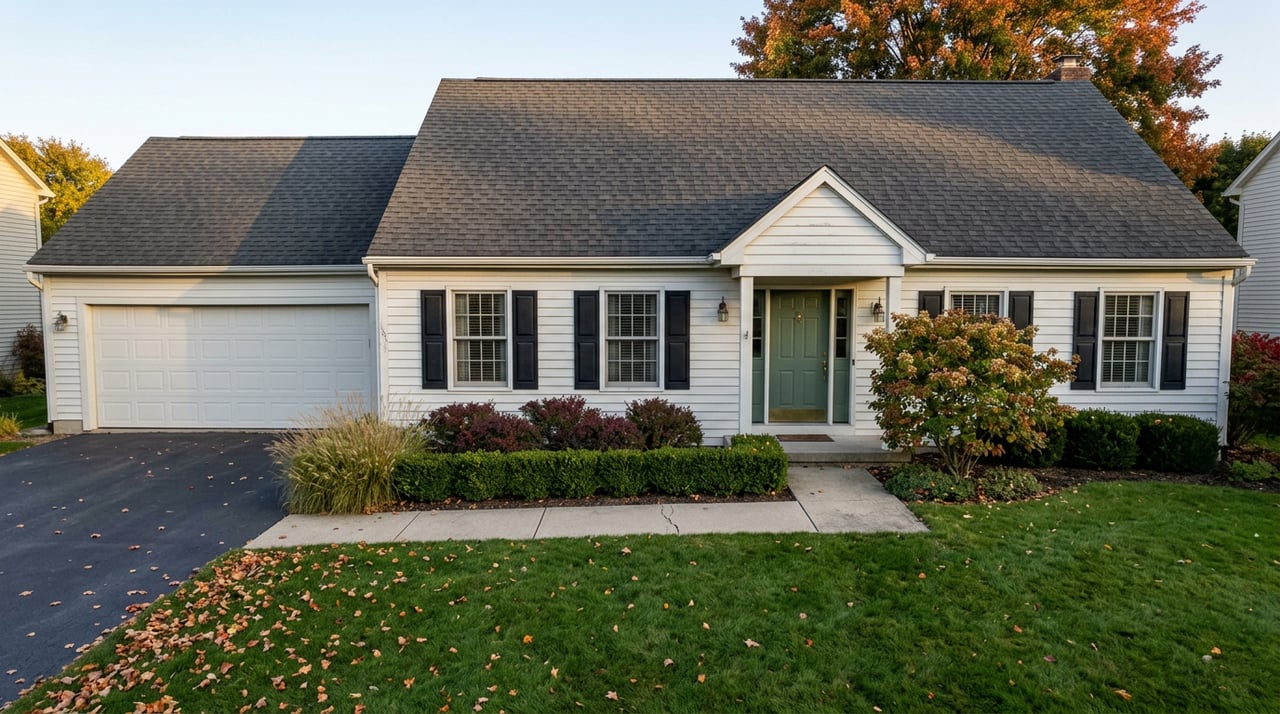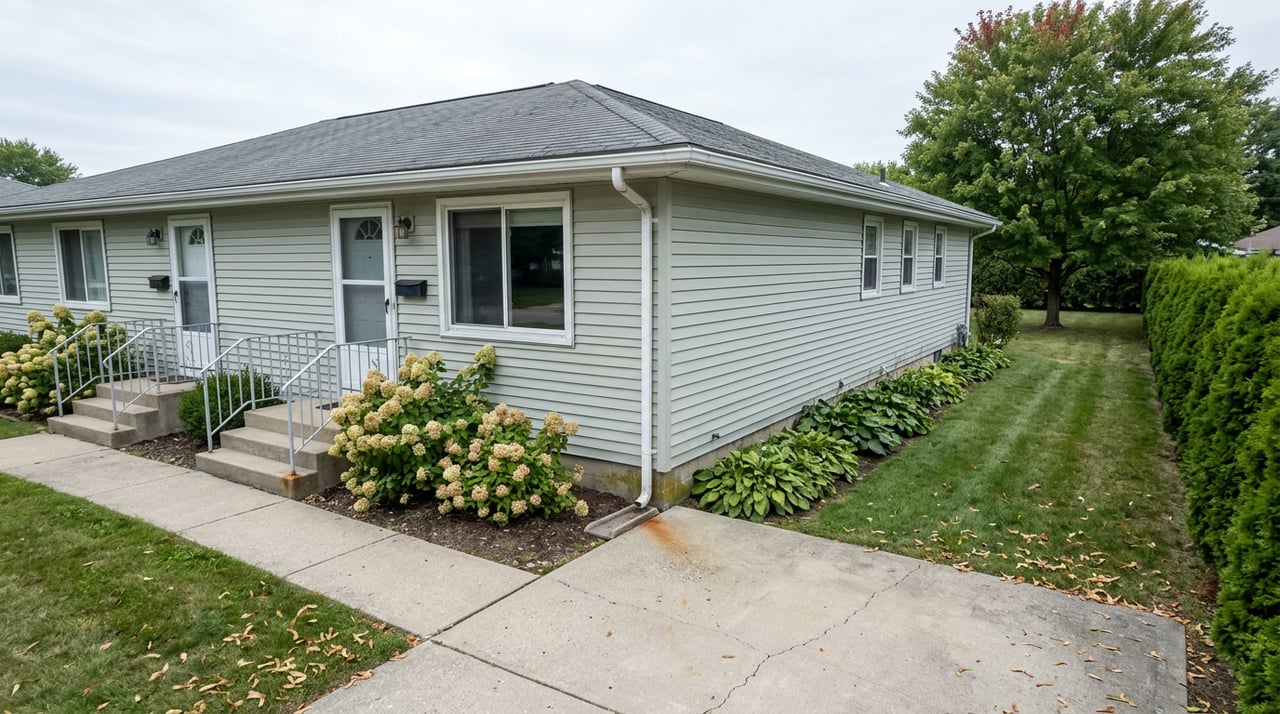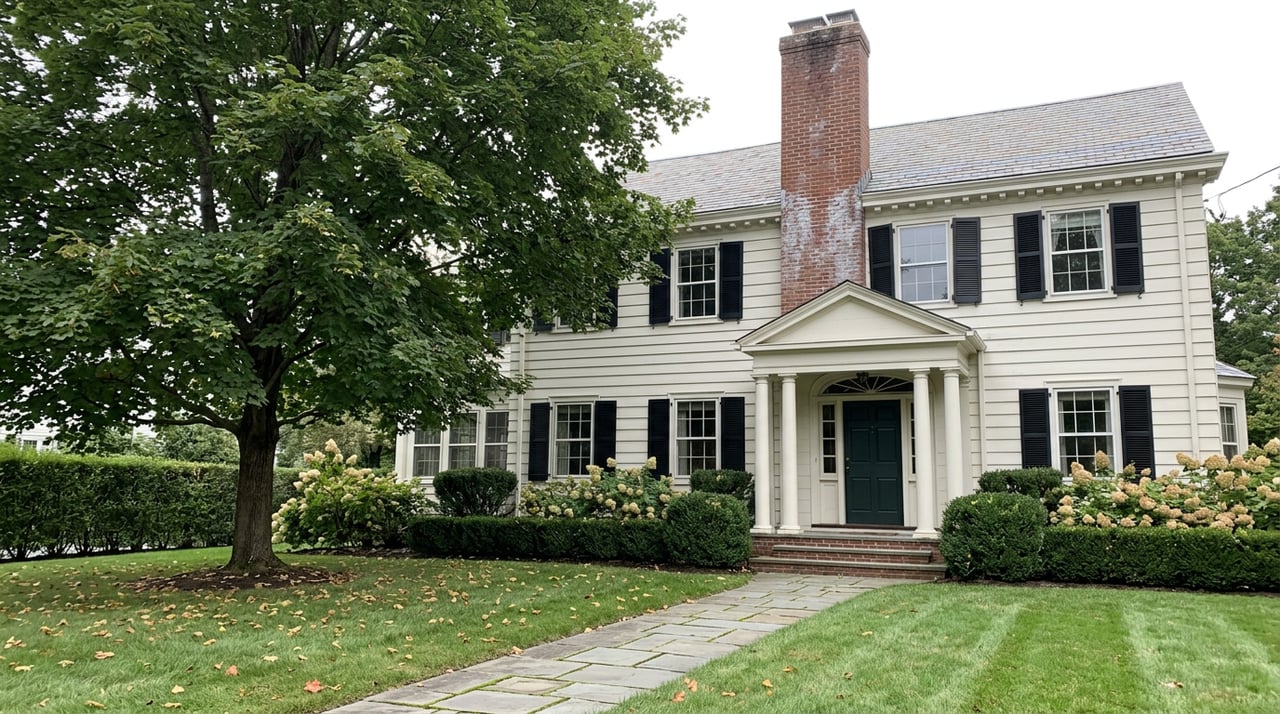
A Queen Anne showpiece known locally as the McDermott House went up for sale on Wendell Avenue in May 2026, listed at $500,000 for its 3,500 square feet. It sits inside the General Electric Realty Plot, the roughly 90-acre neighborhood just east of Union College where Schenectady's home prices have behaved differently than the rest of the city for more than a century. A few blocks away in Mont Pleasant, the going median for a home is under $240,000. Same city, same tax rolls, same school district lines in places. Different math entirely.
The gap isn't about curb appeal or commute times. It comes down to a piece of paper written in 1899 that most buyers never read before they fall in love with a house.
The number that hides two markets
Schenectady's citywide figures look like a single, coherent market if you don't look closely. The median sale price across the city ran around $250,000 over the three months ending in May 2026, up roughly 5% from the same period a year earlier. Zillow's broader average home value estimate for the city sat near $336,000 as of July 2026.
Both numbers are accurate. Neither one tells you much if you're comparing a listing in the GE Realty Plot to one in Mont Pleasant, because you're not actually comparing two neighborhoods. You're comparing two different systems for how value gets created and protected, and the city median is just the blend of both.
A contract, not a zoning code
When General Electric's real estate arm carved up the old Union College woods in 1899, it didn't rely on the city to control what got built there. It wrote the rules directly into the deeds. Every lot had to be at least 70 by 140 feet. Only one single-family house per lot. No fences taller than three and a half feet. And each house had to be worth no less than $4,000 at the time, almost twice what an average Schenectady home cost in that era.
Those restrictions never expired, and they don't depend on City Hall renewing them. The neighborhood became one of Schenectady's four locally recognized historic districts in 1980, which layered a second protection on top of the deed covenants: a seven-member Historic Commission that meets monthly and must sign off on any change to a historic building that's visible from the street. Between the covenants and the commission, the Plot has added only five new buildings since the lots were fully built out by 1927.
That's the mechanism. Not location, not schools, not proximity to downtown. A private contract, written before the city's own zoning code existed in its current form, that has kept the neighborhood's housing stock essentially frozen for a century while everything around it changed. When supply doesn't move for a hundred years and demand keeps circling back to the same 90 acres, the price behaves like scarcity, because it is scarcity, by design.
The covenant has exceptions, and they matter
Here's the part a buyer needs to know before assuming every address in the Plot plays by the same rules. When the Schenectady Realty Company later picked up three additional parcels along Oxford Street in 1914, those lots weren't covered by the original covenants. The houses on Rugby Road sit noticeably closer together than the rest of the neighborhood as a result. Same historic district, different underlying contract.
Multi-family use shows up too, in places the "single-family only" language would seem to rule out. A ten-unit property on Wendell Avenue came on the market in July 2026 at $1.65 million, fully leased and generating roughly $183,000 in gross income. It's not a violation of the neighborhood's character on the ground. It's a reminder that a covenant written in 1899 doesn't automatically answer every question about what's buildable, rentable, or divisible on a given lot in 2026. If you're evaluating a specific address in the Plot, the deed and any variance history matter more than the neighborhood's reputation.
Mont Pleasant is growing the opposite way
If the Plot holds value by staying still, Mont Pleasant is gaining value by moving. The neighborhood carries ordinary residential and mixed-use zoning, the kind that lets a city direct where new construction goes rather than a century-old covenant deciding it in advance. That difference shows up in the investment column.
Governor Hochul's office announced the start of construction on Mosaic Apartments in November 2023, a two-building, 60-unit affordable housing development on Crane Street built by DePaul Properties at a cost of about $27 million. The city has said that project brings total public, private, and philanthropic investment in Mont Pleasant to more than $50 million in recent years, a figure that also covers the new county library and literacy center, a $13 million Boys and Girls Club, park and splash pad upgrades, and the removal of more than fifty blighted buildings by the Capital Region Land Bank. Construction on Mosaic wrapped in 2025, and the units are reserved for households at or below area median income thresholds.
None of that is scarcity. It's the reverse: public and philanthropic capital going into new supply, which is exactly what you'd expect to eventually stabilize prices at an accessible level rather than push them toward a premium. Mont Pleasant's median sitting under $240,000 isn't a sign the neighborhood is being overlooked. It's the visible result of a different growth strategy playing out in real time, one that depends on continued construction rather than continued restriction.
Two engines, one median
| GE Realty Plot | Mont Pleasant | |
|---|---|---|
| Governing mechanism | 1899 deed covenants plus Historic Commission review | Standard city zoning (R-1/R-2/C-2) |
| New construction since core build-out | 5 buildings since 1927 | $50M+ in public/private investment since 2018, including a 60-unit development |
| Value driver | Protected scarcity | New supply and public investment |
| Recent comp | $500,000 (McDermott House, Wendell Ave, May 2026 listing) | Under $240,000 (recent neighborhood median) |
The citywide median sits between these two numbers not because either neighborhood is typical, but because averaging a scarcity-driven market with an investment-driven one produces a figure that describes neither.
What this means if you're comparing neighborhoods
If you're weighing a move within Schenectady, the address matters less than the mechanism behind it. Before you compare two listings by price per square foot alone, it's worth asking:
- Is this property inside a historic district, and if so, does a commission need to approve exterior changes before you make them?
- Does the deed carry covenants beyond the city's own zoning, and do they still apply to this specific lot, or does it fall into an exception like the Oxford Street parcels?
- Is the surrounding area's value coming from restricted supply or from active new construction and public investment?
- What does that growth pattern mean for how the property is likely to appreciate, or not, over the years you plan to own it?
These aren't questions a listing sheet answers on its own. They're the kind of due diligence that separates a house that fits your plans from one that just fits your budget this month.
If you're trying to figure out which side of that split makes sense for what you're looking for, Dufek Real Estate Group can walk through the specific deed, zoning, and investment history behind any Schenectady address you're considering, and help you read a listing the way someone who already knows this market would.