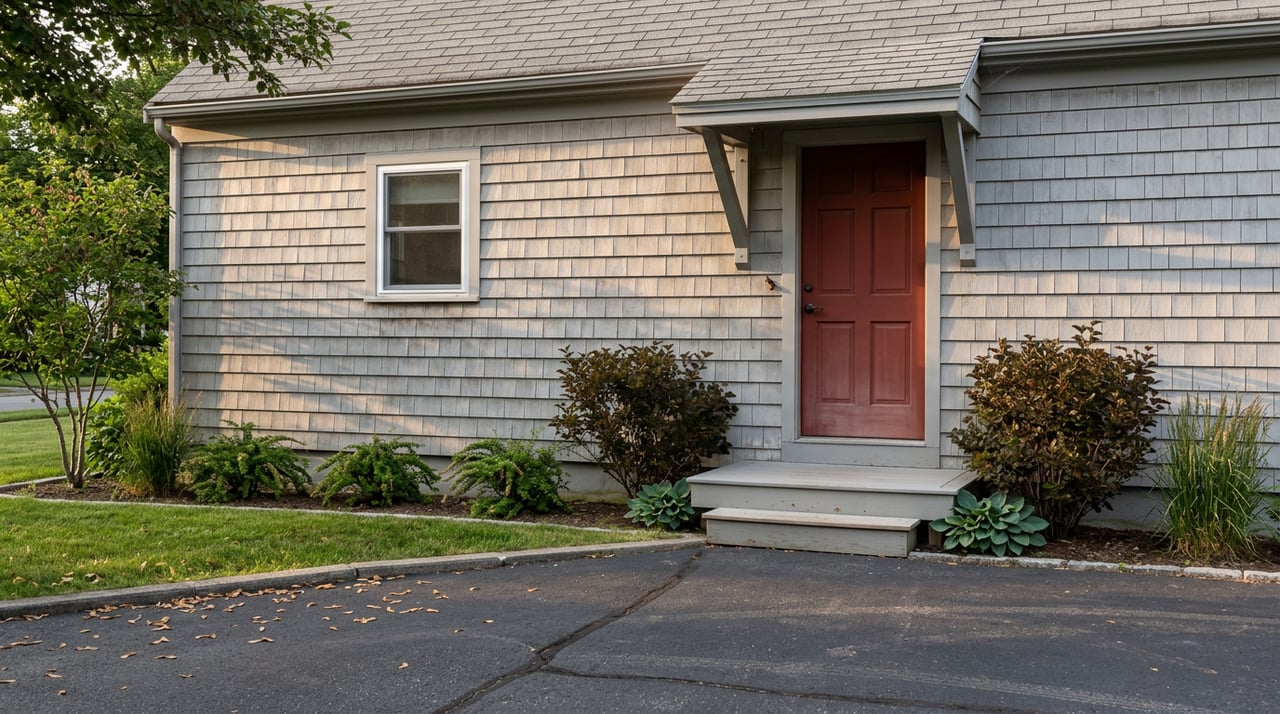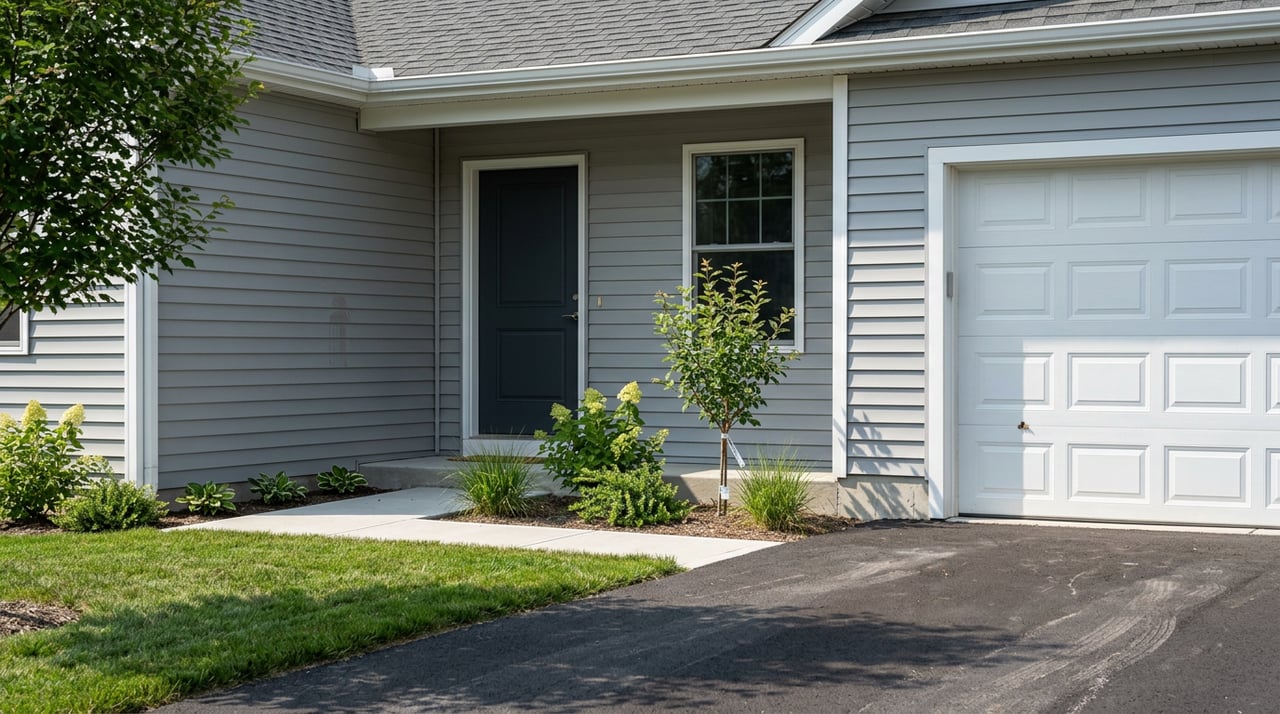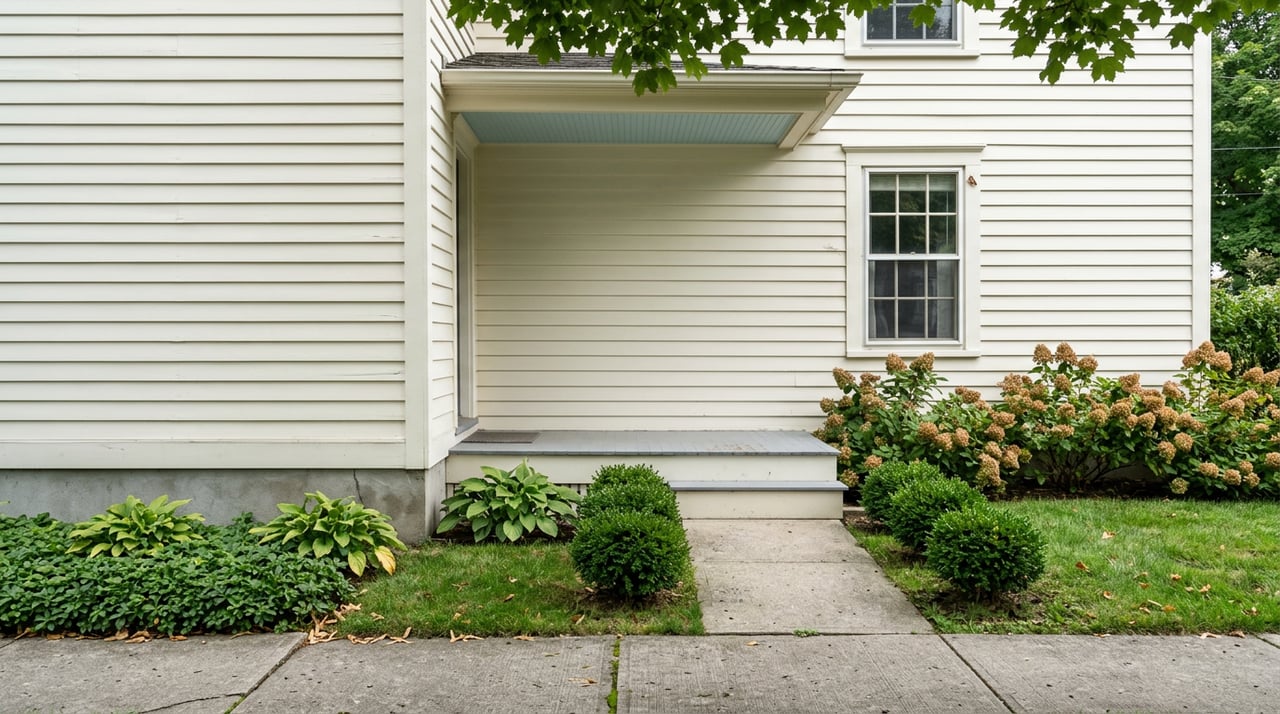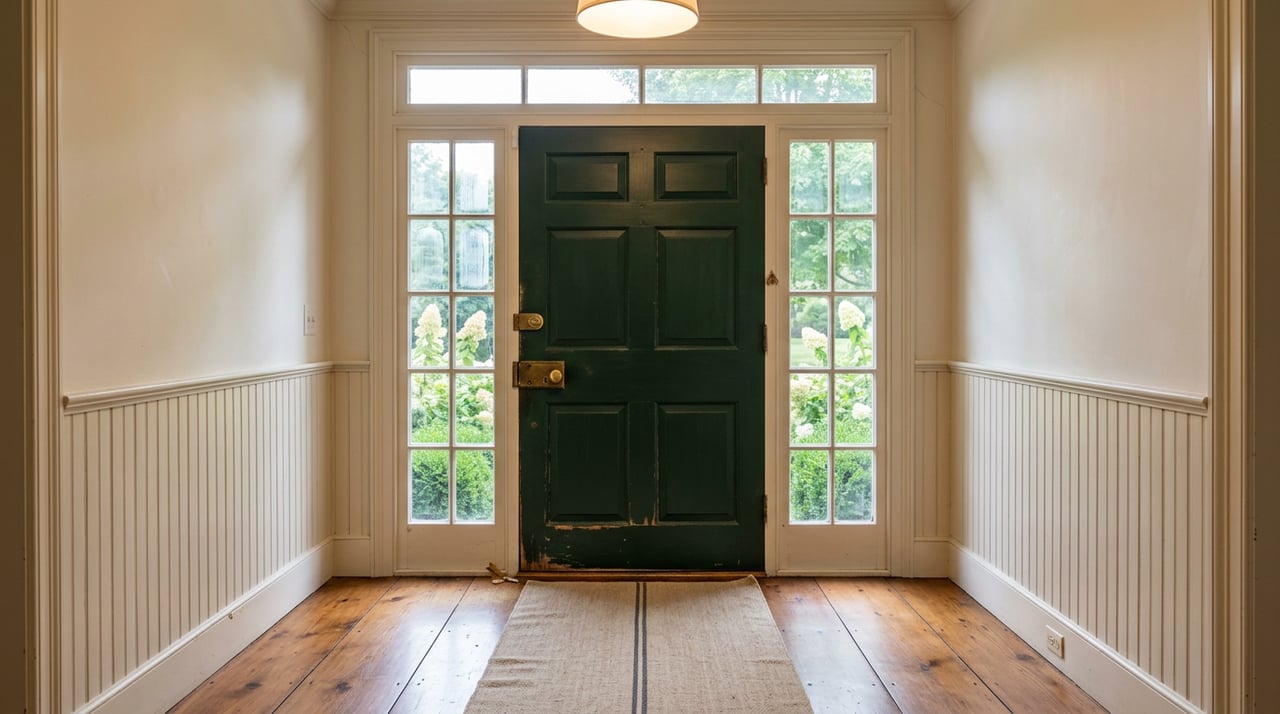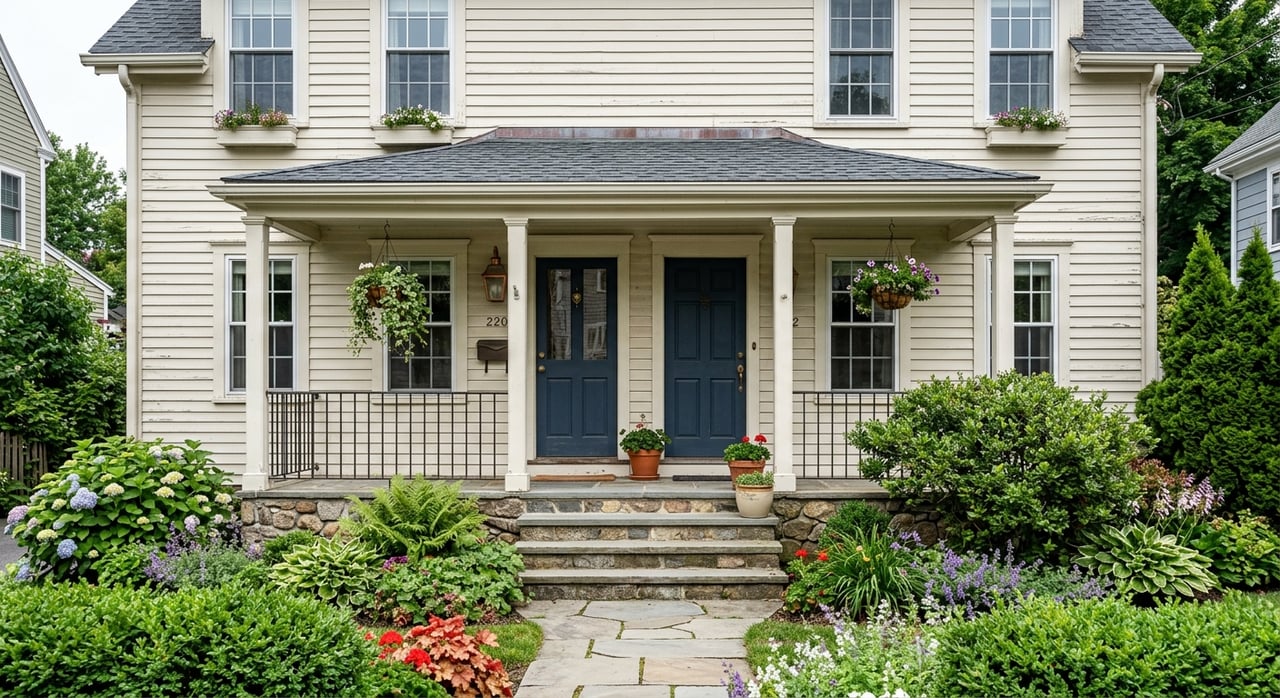
Thinking about buying a duplex or triplex in Schenectady? A small multi-family property can look great on paper, but the real value comes down to the numbers you use, the condition you inherit, and the local rules you may need to follow. If you want to avoid overpaying or underestimating costs, this guide will show you how to evaluate small multi-family deals in Schenectady with a practical, conservative framework. Let’s dive in.
Start With Schenectady Market Reality
Before you look at one listing too closely, it helps to understand the market around it. In Schenectady, the estimated 2024 population was 69,495, the owner-occupied housing rate was 45.6%, and the city’s median gross rent was $1,145, according to the U.S. Census QuickFacts for Schenectady city. That mix points to a meaningful renter base, but it also suggests you should be careful about pushing rent assumptions too far.
The broader rental market appears balanced, not overheated. HUD’s Albany-Schenectady-Troy Housing Market Profile reported a 4.9% apartment vacancy rate and an average apartment rent of $1,558 in the second quarter of 2024. For you, that means vacancy should be treated as a normal part of ownership, not something to ignore in your math.
Focus on Exact Rent Potential
One of the fastest ways to misread a deal is to use broad rent estimates instead of local ones. In Schenectady, rent potential can change a lot by ZIP code, so the property address matters.
According to HUD’s FY2026 Small Area Fair Market Rents, Schenectady city 2-bedroom benchmarks range from $1,440 in 12305 to $1,910 in 12309. For 3-bedroom units, the range goes from $1,730 in 12305 to $2,290 in 12309. That is a major spread, and it can materially change your underwriting.
These HUD figures are best used as benchmarks, not as guaranteed asking rents. A renovated unit may support stronger rent than an older unit, but the property still needs a clear condition and amenity advantage if the seller is claiming numbers near the top of the range. That is especially true when the citywide median gross rent sits at $1,145.
Compare ZIP Code Benchmarks
For a quick first pass, keep this in mind:
- 12304 and 12305 generally support lower benchmark rent assumptions
- 12306 may support stronger assumptions than lower-benchmark areas
- 12309 supports some of the highest benchmark rents in the city
- 12303, 12307, and 12308 still need case-by-case review based on unit type, condition, and compliance issues
If you are reviewing a duplex or triplex, avoid using one citywide average rent for every unit. Instead, match your rent estimate to the exact ZIP code, unit size, and current condition.
Use a Simple Deal Formula
You do not need a complicated spreadsheet to screen a deal at first. You just need a disciplined order of operations.
A practical framework is to estimate gross scheduled rent, subtract vacancy and collection loss, subtract operating expenses, and then compare the remaining cash flow to your mortgage payment and full project cost after rehab and closing costs. This basic flow lines up with Fannie Mae’s multifamily underwriting guidance, which emphasizes actual rent rolls, historical operations, and stabilized expenses.
Your Basic Screening Steps
Use this sequence when you evaluate a property:
- Estimate gross scheduled rent based on the exact ZIP code and unit mix.
- Subtract vacancy and collection loss using a realistic assumption.
- Calculate operating expenses from actual bills, taxes, insurance, and recurring services.
- Add rehab and closing costs to understand your true project basis.
- Compare net cash flow to debt service to see whether the deal still works after financing.
This approach helps you stay grounded in what the property can actually do, not just what a listing description suggests.
Underwrite Vacancy Conservatively
Vacancy is one of the easiest line items to underestimate. In a balanced market, units do not stay full by default, and tenant turnover creates real friction.
HUD’s reported 4.9% apartment vacancy rate is a useful reminder that some vacancy should be built into your model. Even if a duplex is fully occupied today, you still need room in your numbers for turnover, nonpayment risk, or time needed for repairs between tenants.
A property can still be a good buy with vacancy baked in. The problem happens when a deal only works if every unit stays occupied all the time.
Do Not Ignore Operating Expenses
Small multi-family buyers often focus too heavily on purchase price and rent while giving too little attention to expenses. In Schenectady, that can be a costly mistake.
The City of Schenectady Tax Department notes that property tax bills are issued January 1 and payable quarterly in January, April, July, and October. Those bills may include city and county taxes, water and sewer charges, and trash fees where applicable. That means your municipal costs may be more significant than expected.
Fannie Mae’s guidance also stresses that underwritten expenses should reflect stabilized, recurring costs. That includes line items like property taxes and management fees, plus utilities, insurance, and maintenance. Even if you plan to self-manage, it is smart to understand what management would cost so you can evaluate the deal more objectively.
Expenses to Verify Before You Offer
Before you get too far, ask for:
- Current rent roll
- Utility bills
- Real estate tax records
- Insurance information
- Water and sewer charges
- Repair and maintenance history
- Any current budget or operating statement
If the seller cannot provide clear documentation, that does not always kill the deal. It does mean your assumptions should get more conservative.
Pay Close Attention to Lead Rules
Older housing stock can create opportunity, but it can also create extra compliance costs. In Schenectady, lead-related rules are a big part of that conversation.
According to the Schenectady County Lead Rental Registry, the New York State Lead Rental Registry applies to residential dwellings with two or more units in ZIP codes 12303, 12304, 12307, and 12308 that were built before 1980. These properties must be registered, inspections are required every three years, and new owners must register within 30 days.
That matters because a value-add deal may need more than paint and flooring. You may need to budget for compliance time, inspection costs, and possible lead-safe remediation. If the building is older and the systems are tired, your renovation timeline can stretch fast.
Red Flags During Rehab Review
As you walk a property, watch for:
- Peeling or chipping paint in older buildings
- Deferred exterior maintenance
- Old windows or trim in poor condition
- Unclear permit or repair history
- Incomplete seller records on prior work
A deal with these issues is not automatically bad. It just needs a price and timeline that reflect reality.
Watch Pricing Pressure on Duplexes and Triplexes
Schenectady County has seen strong pricing growth in missing-middle housing like duplexes and triplexes. That can make it harder to find obvious bargains.
The 2025 Capital Region housing report from CDRPC found 285 missing-middle sales in Schenectady County in 2024. It also found that the county’s inflation-adjusted median missing-middle sale price rose from about $136,994 in 2019 to $210,000 in 2024, a 53.3% increase.
That trend suggests active buyer interest and rising pressure on pricing. If a property is already improved and rents are already near market, you should be careful about assuming there is hidden upside left to unlock.
Make Offers Based on Documented Upside
In this market, the best offers are usually tied to specific facts. If you want to be more aggressive on price, there should be a clear reason.
A stronger value-add case may exist when the property has below-market rents that can be documented, visible deferred maintenance, a compliance issue that needs time and money, or a legal and operational mess the average buyer does not want to touch. Without one of those angles, your offer should reflect current rent ceilings, realistic taxes, and a normal vacancy assumption.
That is especially important in Schenectady right now. The rental market is balanced, but small multi-family prices have risen quickly. So your margin for error may be smaller than it first appears.
Build the Right Team Before You Buy
Even a solid first-pass analysis is only the start. Before you move from screening to contract, it is smart to speak with the right professionals about the specific property.
Based on the local risks in older Schenectady housing stock, you may want input from a lender, CPA, attorney, inspector, and, if needed, a property manager. If the building has older systems, unclear utility history, or possible lead-related obligations, those conversations can help you avoid expensive surprises.
If you are considering a duplex or triplex in Schenectady and want practical guidance on value, condition, and what to watch before you offer, the Dufek Real Estate Group can help you evaluate opportunities with a clear, local, numbers-first approach.
FAQs
How do you evaluate rent potential for a Schenectady duplex or triplex?
- Start with the property’s exact ZIP code, unit mix, and condition, then compare that to HUD Small Area Fair Market Rents and local market context rather than using one citywide average.
What vacancy rate should you use for a small multi-family deal in Schenectady?
- A realistic vacancy assumption is important because HUD’s Albany-Schenectady-Troy market profile shows a balanced apartment market with a 4.9% vacancy rate, so you should not underwrite as if units will stay full all the time.
What expenses matter most when buying a multi-family property in Schenectady?
- Property taxes, water and sewer charges, trash fees where applicable, insurance, utilities, maintenance, and management should all be reviewed because recurring ownership costs can materially affect cash flow.
What lead rules apply to Schenectady multi-family properties?
- In certain Schenectady ZIP codes, residential properties with two or more units built before 1980 may need to comply with the New York State Lead Rental Registry requirements described by Schenectady County, including registration and periodic inspections.
Are Schenectady duplex and triplex prices rising?
- Yes. The CDRPC 2025 housing report shows strong price growth for missing-middle housing in Schenectady County, which means you should be careful about assuming easy discounts on already improved properties.