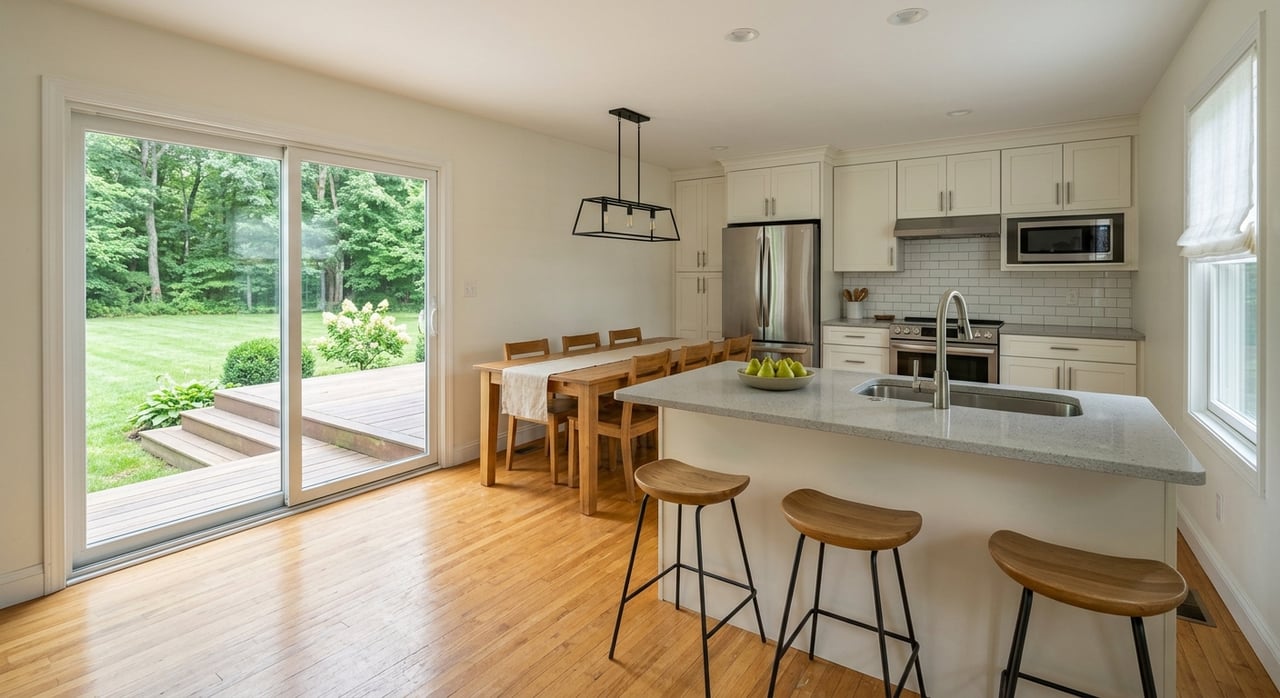
Looking for more room without giving up convenience? If you are trying to balance yard space, parks, and a workable daily drive, Glenville often comes up for good reason. This guide will help you understand what Glenville offers for growing households, from home types and lot sizes to outdoor access and commute patterns, so you can decide if it fits your next move. Let’s dive in.
Why Glenville gets attention
Glenville has the feel of a suburban town with room to spread out. The town’s 2025 population estimate is 29,701 across 49.25 square miles, which works out to about 595.5 people per square mile. That lower-density pattern can appeal if you want more breathing room than a denser city setting.
The housing profile also points to a town where many people put down roots. Census QuickFacts shows 12,278 households, 2.34 persons per household, and a 76.8% owner-occupied housing rate. About 20.6% of residents are under 18, which helps explain why buyers often look at Glenville when they need more practical living space.
Space for your next chapter
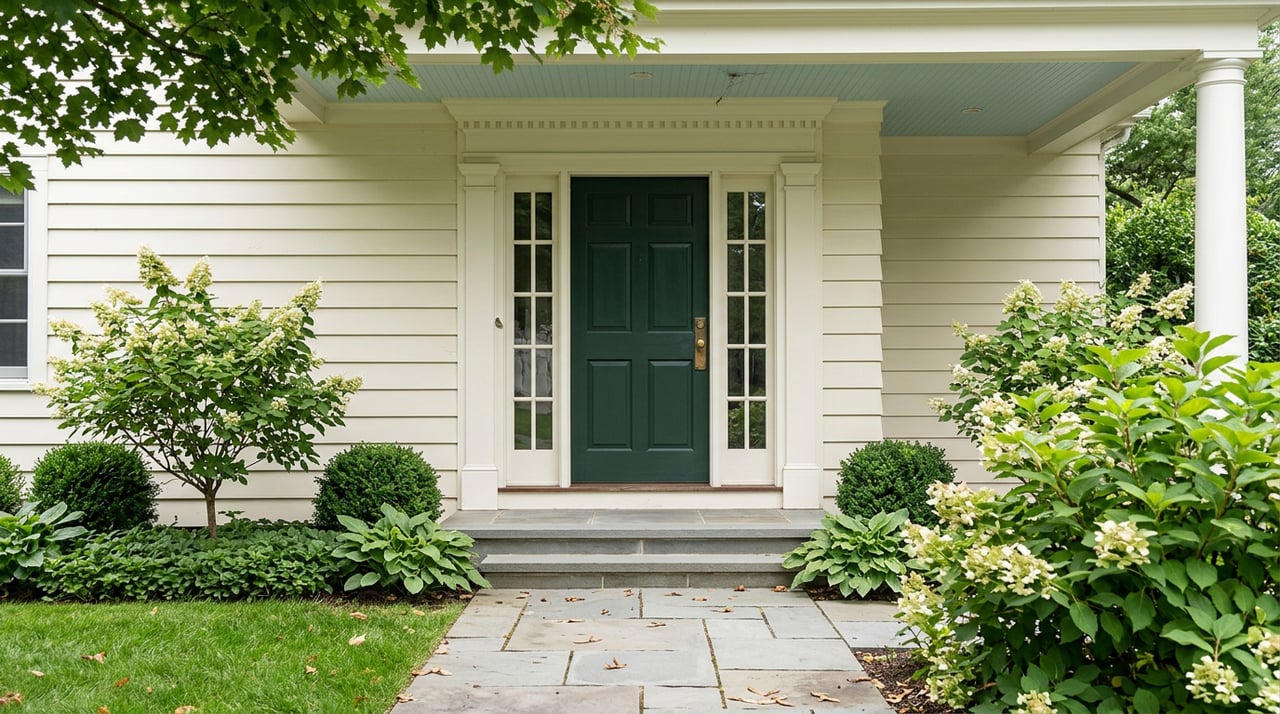
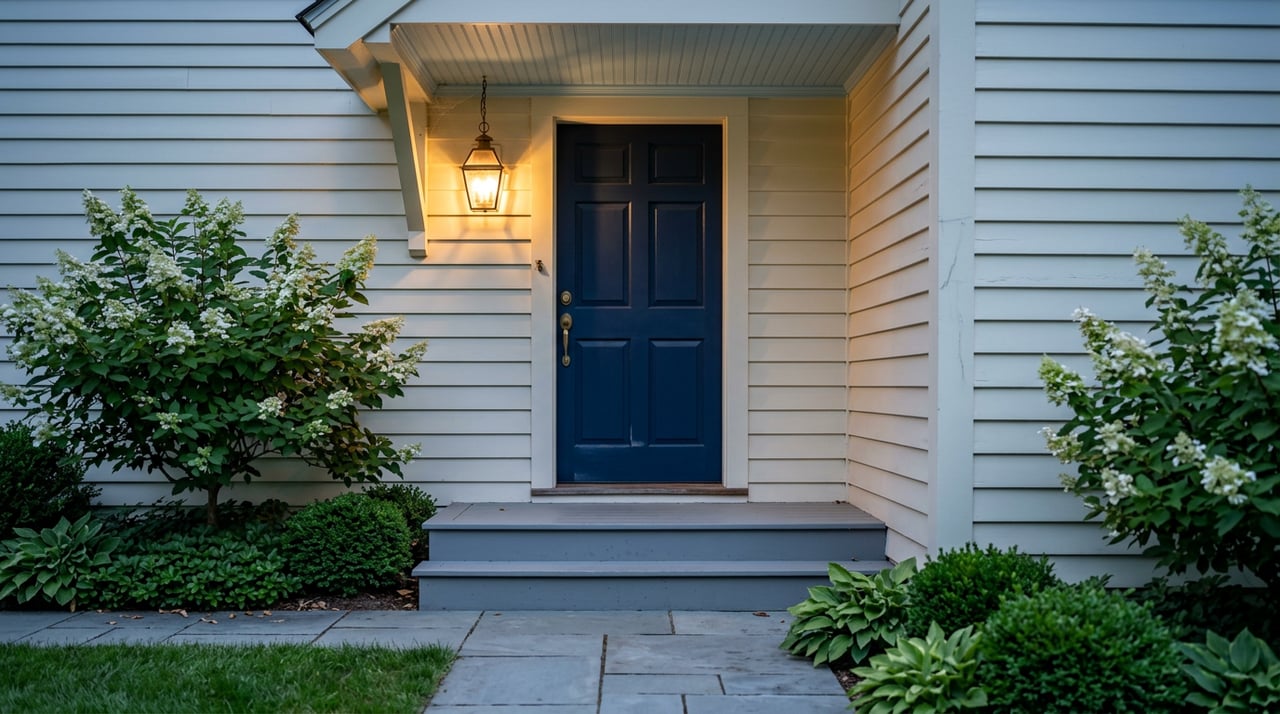
If your current place feels tight, Glenville may offer more options than you expect. County and town sources describe a mix of single-family homes, townhouses, apartment complexes, senior living apartments, and historic farmhouses. That range can be helpful whether you are moving up from an apartment, buying your first detached home, or looking for something with a different layout.
A town planning profile based on ACS data reported that 75% of housing units were detached single-family homes. It also found a median of 6.1 rooms per house, with many homes offering 3 to 4 bedrooms. For buyers who need an extra bedroom, office, playroom, or guest space, that is useful context.
Current Census QuickFacts lists the median owner-occupied home value at $257,400. That number does not describe every listing, but it does give you a baseline for the owner-occupied housing stock in town. When you compare homes in Glenville, it helps to look past price alone and focus on layout, condition, updates, and lot size.
Lot sizes can vary a lot
One of Glenville’s biggest practical differences is that it is not all built the same way. The town’s zoning framework includes areas meant for lower-density residential and agricultural development, along with areas intended for more concentrated single-family development where infrastructure is already in place. In real life, that means lot sizes can change a lot depending on where you look.
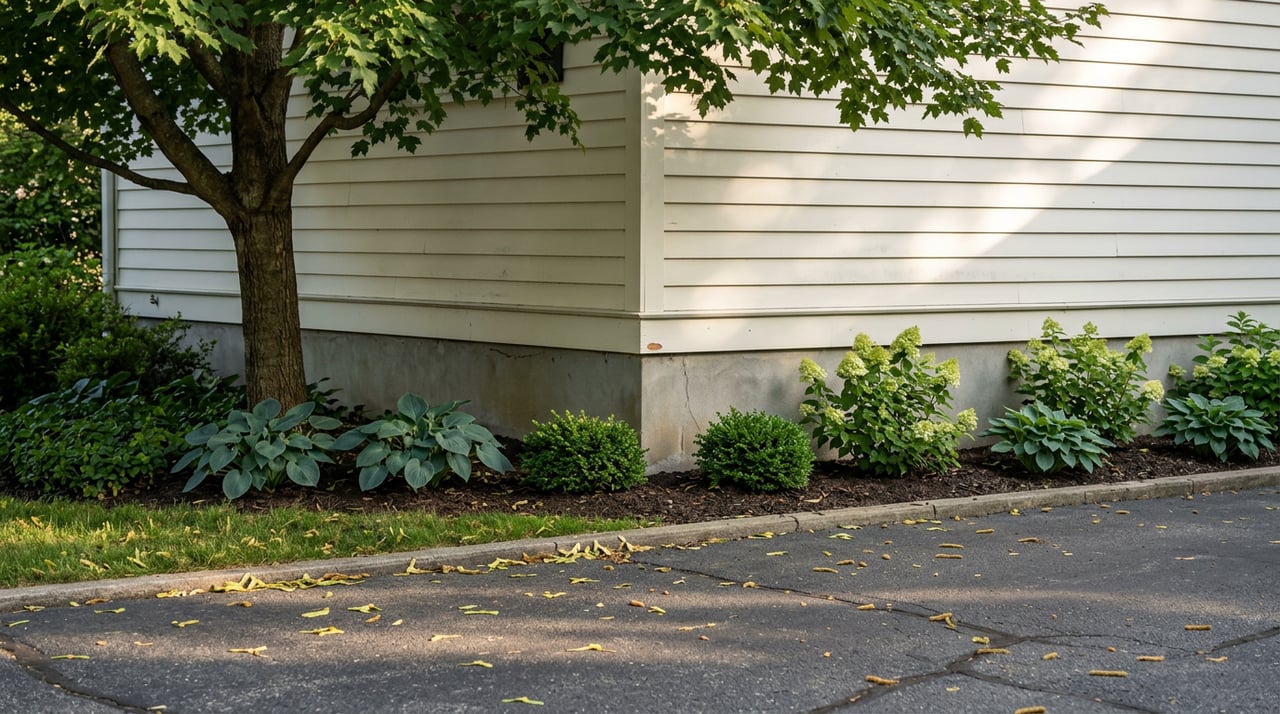
Town zoning examples show this clearly. Some parcels in residential areas are measured in acres, while another example referenced a 16,800-square-foot corner lot in an area with a 30,000-square-foot minimum. For you as a buyer, the takeaway is simple: if yard size matters, parcel-by-parcel review matters too.
Parks and outdoor time in Glenville
For many buyers, outdoor space is not just about the backyard. It is also about where you can walk, ride, play, or spend a Saturday without a long drive. Glenville stands out here because the town’s park system goes beyond small pocket parks.
The town’s 2022 park plan says Glenville has about 1,120 acres of government-owned open space, with 767 acres stewarded by the town. Major examples include Indian Meadows Park at 197 acres, Sanders Preserve at 398 acres, Maalwyck Park at 59 acres, Andersen Park at 33 acres, and Legacy Park at 6 acres. That gives you a wide mix of recreational settings, from larger natural areas to more everyday-use park spaces.
Indian Meadows Park for year-round use
Indian Meadows Park is one of the town’s best-known activity hubs. Planning documents describe it as a year-round space with skating, sledding, fields, trails, and playground areas. If you want a town where outdoor routines can continue through different seasons, that matters.
Trails, dogs, and quick outings
Andersen Park includes a dog park and a half-mile nature trail, which can make it an easy stop for everyday outdoor time. Legacy Park is being developed around a walking path and memorial-oriented public space. These are the kinds of details that shape how a town feels during the week, not just on special occasions.
Beyond the larger parks, Glenville also highlights the Mohawk-Hudson Bike Trail, river access at Lock 9 State Canal Park and the Freemans Bridge Boat Launch, plus fishing access at Quinlan Park. If your ideal weekend includes biking, paddling, walking, or just being outside, Glenville offers several ways to do that close to home.
Parks also support community life
Outdoor space in Glenville is not only about recreation. Town materials also point to events like Glenville Oktoberfest, winter trail tours, and Love My Parks Day. That gives parks another role as community gathering places throughout the year.
Commutes from Glenville
Space is great, but it needs to work with your schedule. Glenville is often considered by buyers who want suburban room while staying connected to major Capital Region job centers. Official town materials say Glenville is about 10 minutes from downtown Schenectady, 20 minutes from Albany, and 25 minutes from Malta and Saratoga Springs.
That regional access is one reason Glenville can work for households with different daily routines. The town also points to Albany International Airport, Schenectady Airport, county routes, state routes, and local roads as part of the transportation picture. If your work, family, or travel needs take you around the region, that flexibility can be a plus.
What the commute data suggests
A town planning profile based on ACS data found that 53% of employed residents worked in Schenectady County and 47% worked outside it. It also reported that 94.4% commuted by automobile, with 87% driving alone and 6.9% carpooling. Current Census QuickFacts shows a mean travel time to work of 24.2 minutes.
That does not mean every trip is easy every day, but it does support the idea that Glenville functions as a car-oriented suburb with manageable access to nearby employment centers. If you are comparing towns, this is an important quality-of-life factor to weigh against price, lot size, and home condition.
What to check before you buy
Even if Glenville sounds like a fit, your search will go better if you stay specific. Different sections of town can offer very different combinations of lot size, housing type, and commute feel. A clear checklist can help you narrow your options faster.
Focus on these details
- Home type: Glenville includes detached single-family homes, townhouses, apartments, senior housing, and historic farmhouses.
- Layout: Many homes have 3 to 4 bedrooms, but room count and flow still vary a lot.
- Lot size: Some areas have standard suburban lots, while others have much larger parcels.
- Outdoor access: Proximity to parks, trails, or river access may matter as much as your own yard.
- Commute route: Travel time can depend on where in Glenville you land and where you need to go each day.
- School district boundaries: The town is served by Scotia-Glenville, Burnt Hills-Ballston Lake, Niskayuna, Greater Amsterdam, and Galway school districts, so district checks should be made for any specific property.
Who Glenville may fit best
Glenville can be worth a close look if you want more space without moving too far from Schenectady, Albany, Malta, or Saratoga Springs. It may also fit if you like the idea of having both neighborhood-scale convenience and access to larger parks, preserves, and trails. For buyers moving up in size, that combination can be especially attractive.
It can also work well if you are open-minded about housing style. Since the town includes everything from more typical suburban single-family homes to larger parcels and historic farmhouses, your options may be broader than in a more uniform market. That is often helpful when your wish list includes both interior space and outdoor room.
Why local guidance matters in Glenville
On paper, Glenville looks straightforward. In practice, one home may offer a modest lot near everyday conveniences, while another may sit on significantly more land with a very different feel. That is why local guidance matters when you are comparing value, condition, and long-term fit.
If you are weighing Glenville against other Capital Region towns, it helps to look at more than square footage. You want to compare how each option supports your routine, your budget, and the kind of space you actually plan to use. A clear, practical review of the homes you are seeing can save time and help you make a stronger decision.
If you are thinking about buying or selling in Glenville or nearby, Dufek Real Estate Group can help you sort through home options, commute tradeoffs, and property condition with clear, responsive guidance.
FAQs
What types of homes are common in Glenville, NY?
- Glenville has a mix of detached single-family homes, townhouses, apartment complexes, senior living apartments, and historic farmhouses, with town planning data indicating that about 75% of housing units are detached single-family homes.
How much outdoor recreation is available in Glenville, NY?
- Glenville has about 1,120 acres of government-owned open space, including major parks and preserves like Indian Meadows Park, Sanders Preserve, Maalwyck Park, Andersen Park, and Legacy Park, along with trail and river-access options.
Is Glenville, NY good for commuting around the Capital Region?
- Town materials say Glenville is about 10 minutes from downtown Schenectady, 20 minutes from Albany, and 25 minutes from Malta and Saratoga Springs, while Census data shows a mean travel time to work of 24.2 minutes.
Do lot sizes vary in Glenville, NY?
- Yes. Town zoning and planning materials show that lot sizes can range from standard suburban lots to much larger parcels, depending on the area.
What school districts serve Glenville, NY properties?
- Glenville is served by Scotia-Glenville, Burnt Hills-Ballston Lake, Niskayuna, Greater Amsterdam, and Galway school districts, so it is important to confirm the district for any specific property you are considering.